
SPOTLIGHT FESTIVAL: SOL HARMONY FEST

SPOTLIGHT FESTIVAL: SOL HARMONY FEST

SPOTLIGHT FESTIVAL: SOL HARMONY FEST

FESTIVALS

BEN CLARK INTERVIEW
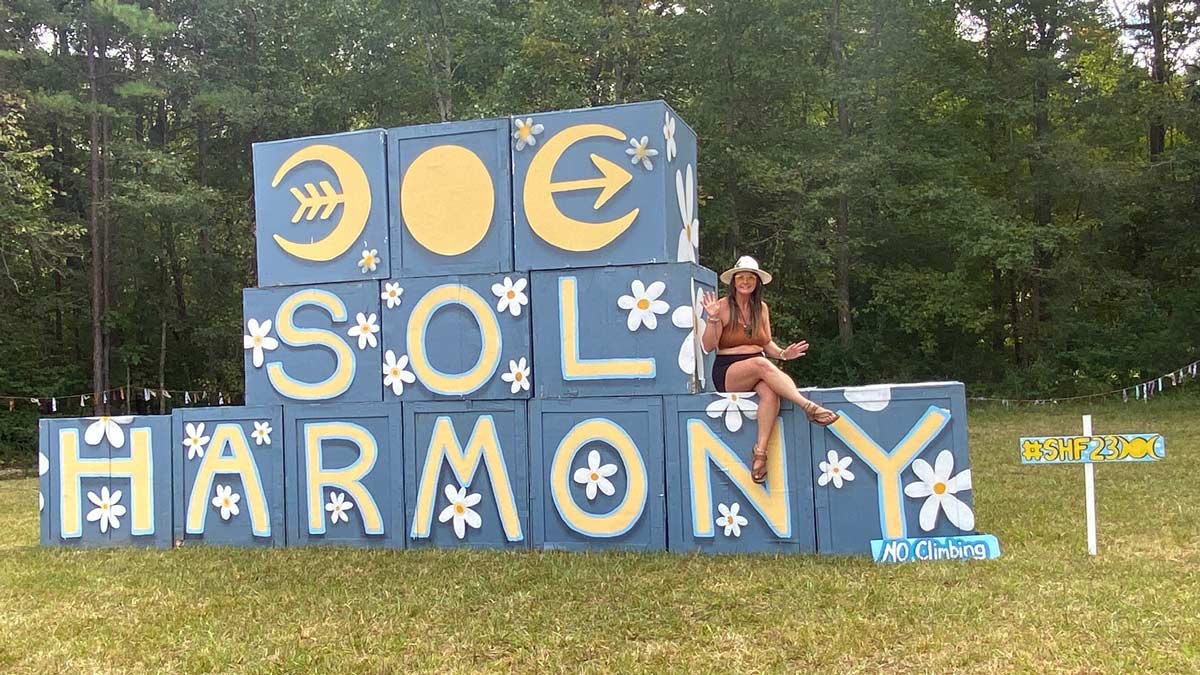
Looking for something to do this Sept? We are thrilled yoga festivals are back and can’t wait to check out all the amazing events taking place around the world. This week we had a chance to connect with  Kat Harmon the founder and festival director of Sol Harmony Fest in NC who we are thrilled to partner with! You will be able to get complimentary copies of our magazine at this festival! 

What makes this year’s festival unique?
Sol Harmony Fest stands out for several reasons: 

Holistic Healing Focus: The festival places a strong emphasis on holistic healing arts, offering a diverse range of experiences that cater to the mind, body, and spirit. This includes yoga, meditation, sound healing, and workshops on self-awareness and personal growth.

Community-Centered: The festival fosters a sense of community and connection, bringing together like-minded individuals who are passionate about wellness and personal transformation. It’s a space where people can feel supported and encouraged in their journey towards self-love and healing. 

Unique Offerings: In addition to traditional wellness practices, Sol Harmony Fest embraces creativity and fun with activities that encourage participants to step outside their comfort zones. This could be through laughter yoga, dance, or other outside-the-box experiences that are both healing and joyful. 

Founder’s Vision: Kat Harmon, the founder, brings her personal philosophy and extensive experience in teaching self-love and self-awareness to the festival. Her unique approach to healing, which includes nervous system support and rewriting self-defeating patterns, is woven into the fabric of the event. 

Beautiful Setting: The festival takes place in Huntersville, NC, providing a serene and natural environment that enhances the overall experience. The location allows attendees to immerse themselves in nature, which complements the holistic healing practices offered at the event. 6

Inclusive Atmosphere: Sol Harmony Fest is designed to be welcoming and inclusive, creating a safe space for everyone, regardless of their background or level of experience in wellness practices.

Share with us what you LOVE about your festival location? 
We love this location because it’s intertwined with Pine Trees and beautiful wide open spaces. So you can tuck away in the beautiful trails or lay out in the September sun.

The theme of our issue this year is JOY, how do yoga festivals inspire JOY? 
Joy is what our event is all about! Sol Harmony Fest will inspire joy by bringing people together in a supportive, uplifting environment where they can reconnect with themselves and others. For me, the joy comes from creating a space where the community can experience shared laughter, movement, and connection. At Sol Harmony Fest, joy is found in the simple moments—dancing at sunrise, sharing a smile in yoga, or feeling the collective energy in a group meditation. We have also added an inner child parade this year, as well as a Creation Station, Community Stage, Variety Show, Kids Camp, Teen Meetup and more. These experiences not only lift spirits but also strengthen the sense of community, reminding everyone of the joy that comes from being together and fully present.


Learn more: https://www.instagram.com/solharmonyfest/

Spotlight: YOGA MOXI

Spotlight: YOGA MOXI

Spotlight: YOGA MOXI

By: iana velez

PROFILES

J Miles - Music Love Article

Did you know Yoga Love magazine is available for free at partner studios and festivals thanks to our amazing community and other small business owners like Michele Carrión Yopps founder of the Yoga Moxi app! We asked Michele to share more about starting a small business, her personal yoga/meditation practice and some thoughts on JOY.

What inspired you to start your own business?
The Yoga Moxi app was created based on how I felt when I was a newer yoga teacher ten years ago. There was so much information, knowledge and skills acquired, and an app that provided more of a “road map” on how to use and apply the information would have been immensely helpful.

What is the most popular feature on your app?
Currently, yoga teachers have provided the most feedback on the “Timers”. There are three different Timers that help keep a practice on track to not go over/under the specified class time. The Hatha Timer allows a yoga teacher to set up a class time, and also allows to set up smaller segments within a class. (i.e. Opening = 2 minutes, Centering = 5 minutes, Warm Up = 8 minutes, etc.) The Yin Timer is specific to a Yin Yoga class setup including class time, number of poses, and how much time to spend on each side. The Yoga Nidra Timer can be set up for any amount of time for your practice. The intention is to keep yoga teachers on time – with a Timer created for their specific needs.

What is the best advice someone gave you when you started your business?
The best advice came after the Yoga Moxi app was created…be sure to have solid legal agreements and get app insurance. Both are for more peace-of-mind, and to minimize potential financial loss.

What is the best advice you would give another person who wanted to start their own small business?
Be sure to have solid legal agreements and insurance (according to the designated business industry). Do not rely on generic anything from the internet. This applies to any business.

Do you have a personal yoga/meditation practice? How has it helped you?
For the past few years, I have focused on a morning meditation before starting the day. It allows me to connect with my breathing and focus on myself fully for a few minutes. My yoga practice has changed over the years, and currently I work on an at-home practice two times per week. (For about 20 minutes) The practice is more of a “freestyle” where I center prior to start, and allow the body to dictate how to move.

Share your favorite yoga/wellness social media/web accounts that inspire you?
The majority of accounts that provide inspiration involve positive “quotes” from famous and not-so-famous people. I also enjoy the Yoga Love Magazine account and all the reels regarding “Joy”. There are so many iterations, and the majority really do inspire joy and a smile. (Thank You!)

The theme of our current issue is JOY, how do you inspire joy in your life and those around you?
Hopefully I provide some joy to those around me by smiling when I greet them or interact with them. For my friends and family, the hope is to inspire joy by holding space when needed, and sharing something that makes them truly smile or laugh – like a good experience we shared.

Ashish Arora
Ashish Arora
Yoga Transforms at Bhakti Fest 2024

Yoga Transforms at Bhakti Fest 2024

Yoga Transforms at Bhakti Fest 2024

PROFILES

BEN CLARK INTERVIEW
Transformation will be at the heart of this year’s Bhakti Fest, taking place September 27-29 in the majestic setting of Joshua Tree, California. Producer Bella Silberfein explains how the theme “Yoga Transforms” will spark reflection, growth, and positive change for attendees through yoga and the coming together of the community.

“The transformative power of yoga is core to its teachings and something we all experience on our path in big and small ways,” shares Silberfein. “When we carve out time for self-reflection, yoga, and meditation, we open the door to evolution, building emotional strength, resilience, and self-awareness.”

The physical and mental practices of yoga provide us with tools to work through struggles and discomfort with compassion. Asana helps us better understand where we resist and allows us to release limiting patterns. Pranayama teaches us to regulate our energy and be present. Meditation guides us inward to explore our most profound truths.

Silberfein hopes Bhakti Fest provides an uplifting, transformative experience by uniting us in community. “When we come together around our shared love of yoga, music, and sacred wisdom traditions, it creates an energy that inspires and elevates us all. We walk away profoundly changed, creating a ripple effect.”
An incredible lineup of yoga teachers and diverse music performances will provide ample opportunities to reflect on transformation personally and collectively. Through yoga classes, workshops, chanting, and more, attendees can explore letting go of limiting beliefs, finding new purpose, deepening their practice, and positively evolving relationships and society.

The impressive yoga teacher roster connects us to yoga’s roots, with masters like Seane Corn and Janet Stone joining beloved teachers Shiva Rea, Dianne Bondy, and Nina Rao. On the music stages, spiritual artists like Krishna Das and Radhika Das will stir our souls, while fresh acts like Deya Dova and Marieme will entrance us.

Silberfein beautifully sums up the ethos behind this year’s theme: “Yoga transforms not just the body and mind, but our hearts. When our hearts open up through yoga, we lift the world.”

Spotlight: Yoke Yoga – Bridging Tradition and Technology

Spotlight: Yoke Yoga – Bridging Tradition and Technology

By: Melissa Honkanen

PROFILES

J Miles - Music Love Article

Susanna Barkataki is leading a quiet revolution to shake up the yoga world with her groundbreaking Yoke Yoga social platform. Yoke Yoga is more than just a yoga app; it’s a mission to transform how we engage with an ancient practice in today’s digital age.

Susanna’s journey began with the realization that the true essence of yoga was being overshadowed by its Western commercialization. “I had this understanding that if we are to truly honor yoga’s roots and extend its benefits, the change had to begin with the practitioners themselves,” she explains. From this insight, Yoke Yoga was born—an initiative aimed at making yoga accessible, inclusive, and deeply connected to its origins and moving away from fitness culture.

Ashish Arora

Yoke Yoga is designed to integrate seamlessly into daily routines, allowing users to practice yoga at their convenience. “It’s about turning the impulse to doom scroll into something positive. We’re using the platforms people are already on—their phones—to introduce them to yoga,” Susanna notes. This accessibility is central to her vision of breaking down barriers and making yoga universal.

Yoke Yoga’s philosophy is to make yoga an integral part of daily life, beyond the confines of traditional studios. “We’re moving away from scripted, polished scenarios and bringing yoga into the messy, beautiful reality of everyday life,” she says. This approach demystifies yoga, inviting people who might feel intimidated by the conventional yoga studio environment. Susanna envisions a platform where yoga meets people in their living rooms, workplaces, and even during their commute.

Central to Yoke Yoga’s mission is its commitment to social justice. The platform is built on the pillars of diversity and equity, ensuring that everyone, regardless of body type or background, feels welcomed and represented. “From the start, we’ve been committed to trauma-informed practices and celebrating diversity,” Susanna states. “It’s not just about adding diversity as an afterthought—it’s about making it the foundation of what we do.”

Yoke Yoga also incorporates a profit-sharing model with its teachers, acknowledging the economic challenges many face in the industry. “We wanted to create a space where yoga teachers can be their full selves, share their practices authentically, and be compensated fairly,” she emphasizes. This model not only supports yoga professionals but also ensures that the quality of instruction is high, benefiting all users.

Yoke Yoga is a beacon for those seeking a more authentic and accessible yoga experience. By blending traditions like mudra, meditation and mantra with the innovation of meeting modern yogis where they are—online and on their phones, her and her team are paving the way for a more inclusive and holistic approach to wellness.


Learn more: yokeyoga.com

AGE AND THE BRAIN

AGE AND THE BRAIN

AGE AND THE BRAIN

by: Janie Larmour founder of Zen Ki Yoga®

PROFILES

BEN CLARK INTERVIEW
Dr. Tharusha Jayasena has a professional background in medical research spanning over 15 years and has dedicated her career to exploring brain aging and dementia. Her work has mainly focused on advancing the discovery of blood biomarkers for Alzheimer’s disease and vascular dementia. She obtained her MSc and PhD degrees at UNSW Sydney. Tharusha is also the founder of Mantra Skin, an Ayurveda-inspired skincare brand influenced by the synergy of science and self-care, promoting holistic wellbeing through intentional rituals and affirmations.

How does yoga benefit the brain and its aging process?
Yoga has been shown to enhance the brain’s ability to reorganize and form new connections. Studies suggest that a regular yoga practice can increase the thickness of the prefrontal cortex, a region involved in decision-making, attention, and cognitive control. Yoga also promotes connectivity between different brain regions, supporting better cognitive function and emotional regulation.

Yoga reduces cortisol levels, the body’s main stress hormone. Chronic stress is associated with brain shrinkage, particularly in the hippocampus, an area crucial for memory and learning. Research also indicates that yogis often perform tasks more effectively that require concentration and memory, suggesting that yoga can support sustained cognitive health, particularly in aging populations. Chronic high levels of cortisol can also lead to impaired brain function, increased inflammation, and a weakened immune system.

Physically, a regular yoga practice has been shown to lower blood pressure, particularly when yoga incorporates deep breathing and relaxation techniques. This is also important for cardiovascular health, as high blood pressure is a major risk factor for heart disease and stroke, both of which can impact brain health.

What benefit does meditation give to the brain?
Meditation improves emotional regulation by strengthening the connection between the prefrontal cortex and the amygdala (the brain region involved in processing emotions), allowing us to have better control over emotional reactions, mental clarity, and stress management. Regular meditation will also reduce symptoms of anxiety, depression, and stress, as it helps to activate the parasympathetic nervous system, our relaxation response. This reduction in anxiety and depression is important for brain health, as chronic emotional distress can contribute to cognitive decline.

Meditation, especially mindfulness meditation, the most studied form of meditation, has been linked to increased grey matter in areas of the brain involved in learning, memory and emotional regulation, such as the hippocampus and prefrontal cortex.

Just like yoga, meditation is effective in reducing cortisol levels and lowering blood pressure. A regular practice (particularly mindfulness and guided meditation techniques) can improve sleep quality and reduce mental and emotional factors that contribute to insomnia. Poor sleep patterns are associated with increased risk of dementia and cognitive impairment.

Inflammation is another risk factor that contributes to several age-related conditions including dementia, arthritis, swelling, obesity, diabetes, and cardiovascular disease. Meditation has also been shown to reduce inflammation in the body. By lowering inflammatory markers, meditation may help protect against neurodegenerative diseases and promote overall health.

Both the physical movement of yoga and the mental focus of meditation create a powerful synergy. This contributes to healthier brain function throughout our lifespan by lowering stress, improving mood, and enhancing cognitive ability, while improving quality of life. Yoga and meditation will not prevent dementia alone, but they may help reduce the risk of dementia and delay cognitive decline.

How does quality of sleep contribute to brain health?
While lack of sleep may not directly cause dementia, it is increasingly recognized as a significant risk factor. Poor sleep quality and disrupted circadian rhythms can contribute to conditions such as inflammation, oxidative stress, and the accumulation of harmful proteins like beta-amyloid and tau, which are associated with cognitive decline and dementia. Moreover, disruptions in hormones like melatonin and cortisol further impair memory and cognition. Long-term sleep issues and circadian rhythm disturbances (such as those seen in shift workers or those with sleep apnea) significantly heighten the risk of cognitive decline and dementia. Addressing sleep disturbances and promoting good sleep hygiene early in life may help reduce these risks and support long-term brain health.

What role does diet play in brain health?
Diet can significantly impact brain health, and fatty acids like omega-3 and omega-6 play crucial roles in cognitive function. Both are essential for brain health, however excessive omega-6 combined with low omega-3 can promote chronic inflammation, so it is important to have a good balance with more omega-3 than omega-6.

Are there specific foods we should eat for brain health and function apart from focusing on omega-3 and omega-6?
Yes, our ability to produce antioxidants and repair enzymes declines as we age, reducing our ability to neutralize free radicals. This imbalance leads to oxidative stress, which accelerates cellular damage, and this increases our risk of cognitive decline and neurodegenerative diseases over time. Certain foods are recognised for their potential to support cognitive function and reduce age-related brain decline. These foods give us antioxidants, anti-inflammatory compounds and essential nutrients that protect neurons.

What lifestyle choices will help reduce the risk of dementia?
Learning new skills: engaging in activities such as learning a new language, musical instrument, or a new hobby promotes neuroplasticity – the brain’s ability to form and reorganise synaptic connections, keeping the brain resilient and maintains cognitive function.

Social connections: emerging research highlights the importance of ‘social cognition’ – the mental processes that enable us to understand, interpret, and respond to the behaviours, emotions, and intentions of others. This includes skills such as empathy, recognising emotions, and understanding others’ perspectives.

Building new social relationships: rather than just maintaining family and close friendships, new social interactions stimulate social cognition, improves memory, empathy, and problem-solving as we are challenged by new situations and behaviours.

Exercise and movement: aerobic exercise (such as walking, swimming, and cycling), strength training (for metabolic conditions that harm the brain. This also improves bone density), and balancing exercises (yoga and tai chi to reduce falls).

Is there anything else we should consider about wellbeing as we age?
It is important to remember that aging is NOT a disease to be cured. The idea of longevity and extending lifespan has garnered increasing attention in scientific circles and popular culture over the last few decades, with scientific research toward regenerative therapies leading to the belief that aging can be treated, if not reversed.

From a yogic perspective, aging is not viewed as a disease, but as a natural process that reflects the cyclical nature of life. In yoga philosophy, the body is seen as a temporary vessel for the soul and the aging process as part of the soul’s journey. Rather than focusing solely on prolonging life, yogic teachings emphasize living in harmony with nature, cultivating mindfulness and embracing the stages of life with

acceptance and grace. Aging, in this context, is not something to be feared or fought against but something to be approached with inner peace and spiritual growth. The focus is on vitality, wisdom, and balance rather than on an extended lifespan, with the ultimate aim being the realization of one’s true self.

Ultimately, aging is not something to fear or fix, but a natural and beautiful part of life. By changing the way we think about it and practicing self-love and acceptance, we can approach the process with empowerment and wisdom, living fully in each stage of our limited time here on Earth.

Learn more: mantraskin.co

SPOTLIGHT:  Karma Kids Yoga

SPOTLIGHT: Karma Kids Yoga

SPOTLIGHT: Karma Kids Yoga

PROFILES

BEN CLARK INTERVIEW
Our Joy issue is launching soon, and here is a sneak peek at Tashya Knight’s article profiling some amazing kids yoga teachers in our community. Learn more about Shari Vilchez-Blatt one of the many teachers profiled below who is the founder of Karma Kids Yoga and also in our JOY issue available at partner studios in June. Interested in learning how more about teaching kids yoga? Join Shari’s upcoming kids YTT starting Friday, May 17th- Sunday, May 19th at Balance Arts Center, located at 151 West 30th Street in NYC! REGISTER NOW!

What is different about teaching yoga to kids vs teaching yoga to adults? Is it different?
There are so many differences in kids versus adult yoga! Could you imagine if all of a sudden, in your adult yoga class, someone left their mat and started running in a circle around the room?! Or if you’re in the middle of teaching a pose/flow and someone says, “Did you know that my brother has a bicycle and I saw a frog and I love unicorns and cold pillows?” It’s the energy mostly that differs, but also expectations of behavior. I would never want my child students to behave like adults….too weird. They need to talk, share, connect, ask questions, share some more…show you a trick or two (“look what I can do” can often be heard in a children’s yoga class, but what they show you may or may not be yoga—either way, it’s a gift to the room, so I make space for it. Kids classes are loud, playful, silly, quiet, might involve singing, dancing, jumping, include non-traditional yoga props (from balls to crafts to stuffed animals and pom moms).

What inspired you to teach kids yoga? 
I don’t know how else to explain that my random path of events led me to teach yoga to children. I was an ad exec, very successful, but not passionate as I once had been. I was laid off one summer, decided to just chill out and not look for another job. I got back into my own yoga practice with all the free time, and was able to see my nieces and nephews more over the summer, too. When I did yoga around them, they would copy me. I didn’t know if that was OK, so I did some research and found that of course it was great for kids and that there was a training coming up in my area that summer. I had NOTHING going on. I love to learn, so I took it. It changed me. I took another one. And another…learning more and more. I loved it and just wanted to share with as many children as possible. Two months later I opened up my first studio in NYC dedicated just to kids and families!

What pose do kids enjoy the most?
I don’t think there is just one pose that kids love the most…it really depends on the child (it’s a great icebreaker to ask this at the start of the kids class. My name is Shari and my favorite yoga pose is….and we all do the pose!). And favorites change as our bodies change, we get stronger and more confident. It’s typically one that they feel strong or calm in. If it’s a challenging pose that they can do, kids will likely choose that so that they can show it off. Better than saying a popular pose that they like, I will say they LOVE to invent poses! Give a child 30-60 seconds to come up with a never-before-seen pose and name it! Or pair kids up to invent a partner pose. Or 3+ kids to invent group poses.

Share one of your favorite memories/moments you’ve experienced teaching kids yoga?
There are way too many magical moments from over 20 years…and thousands of kids….From celebrity parents jumping into your yoga adventure with as much enthusiasm as a child (thank you, Jane Krakowski for being the most fun momma)…to my husband farting loudly off camera during live Instagram classes (yes and everyone heard it, and I had to address it)….to Sesame Street Workshop taking over my studio to film “yoga school”…so instead of noting just one, I’ll note that any time a child surprises themselves with their own strength and ability, the looks on their faces are everything!

How do you bring joy to teaching kids yoga? How does teaching kids yoga bring you joy?
I bring joy to my classes by being accepting, kind, compassionate, friendly and honest. And of course, a bit of silly doesn’t hurt. Or a lot. I include laughter, wonder, and always invite them to be who they are, to listen to their bodies (versus me), and make sure everyone feels heard. I build community and make connections (friendships) within each class, allowing kids to experience other kids by mixing up partnerships, playing games, having challenges and tasks, all while having so much fun! It’s the energy I bring to the class.

Nearly every day that I teach, I have a funny or sweet story to take home. But even better than that, when a child finally gets a challenging pose that they’ve been working on (they usually surprise themselves), it’s the best feeling to witness their excitement, their confidence and their glow! It’s a celebration for all!