
INTERVIEW WITH KAYOKO MITSUMATSU: FOUNDER AND EXECUTIVE DIRECTOR, YOGA GIVES BACK
By: Kay Epple, founder Dharamsala TC and Board Member and Global Ambassador for Yoga Gives Back
PROFILES
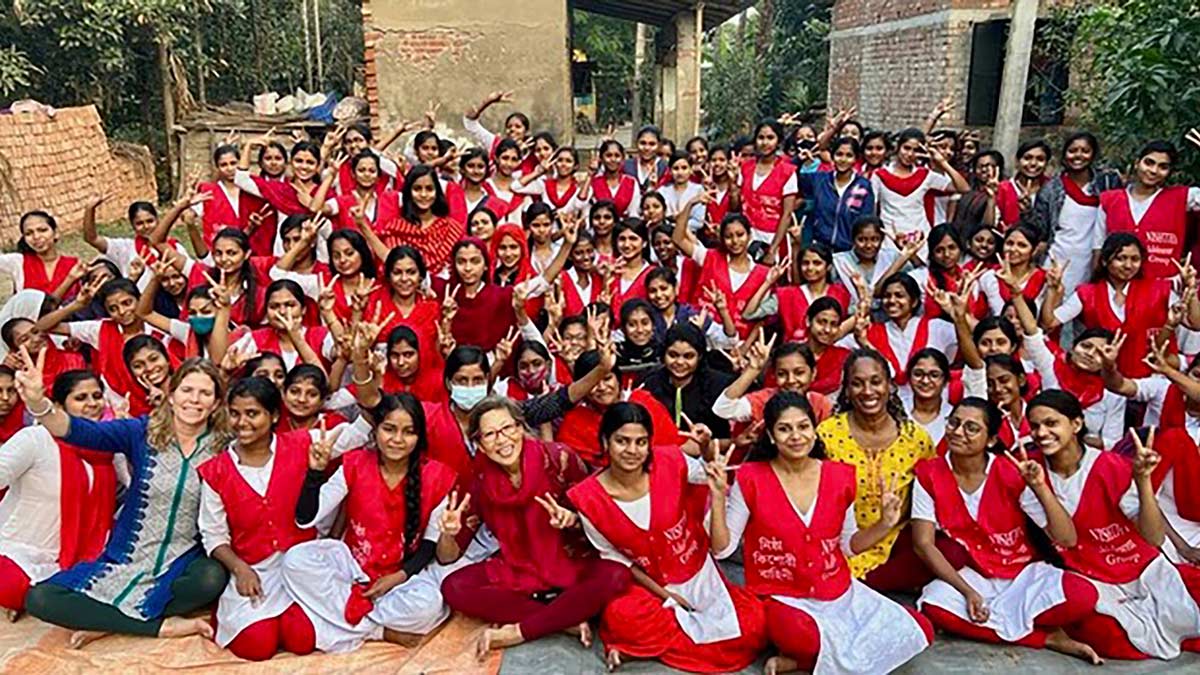
Yoga has given me so much—clarity, strength, and a deep sense of peace. But I believe our practice is incomplete if it doesn’t reach back to its roots. As a Board Member and Global Ambassador for Yoga Gives Back, a non-profit organization that raises funds for underserved women and children in India, I am committed to the belief that when you empower a woman, you uplift an entire community.
Through my work on the board and within our committees, I’ve seen firsthand how micro-loans break the cycle of poverty, offering mothers the dignity of entrepreneurship and daughters the gift of an education. This is how I take my yoga off the mat and into the world. It is my way of practicing Seva (selfless service), ensuring that the energy we cultivate in our studios translates into real-world empowerment for those at the heart of this tradition.”
I had an opportunity to connect with Kayoko Mitsumatsu, Founder and Executive Director, Yoga Gives Back. Learn more here about this inspiring organization.
When the idea for Yoga Gives Back first came to you, what fears or doubts did you have about starting something like this? And what ultimately allowed you to move forward anyway?
When the idea first came to me, I had no experience running a nonprofit, no roadmap, and no guarantee that anyone would support it. I had simply been a documentary filmmaker for two decades when I fell in love with yoga in an Ashtanga yoga classroom in Los Angeles and felt a very strong inner calling to give back to Mother India, the source of this sacred practice.
Of course, I had doubts. I asked myself, Who am I to start something like this? Can I really create a nonprofit organization? Can I build a bridge between yoga practitioners in the West and women and children in India? Who would I work with?
But what allowed me to move forward was the clarity of the idea itself. I had been learning about microfinance, and I realized that for the cost of one yoga class, you could change a life in India. Once I shared that idea with my yoga teacher, studio owner, and friends, the response was immediate. Everyone said, “Yes, this makes sense.”
That encouragement, combined with the inner conviction I felt through yoga philosophy, gave me the courage to begin. We coined our mantra:
“For the cost of one class, you can change a life.”
Do you remember the first moment you realized this work was truly making a difference in someone’s life? What happened in that moment?
Yes. One of the earliest and most powerful realizations came through a boy named Guruprasad, whom I met in India in 2007. He was 15 years old, from a very poor family, and his mother had just received microloans. I began filming their story, thinking I was documenting one family’s struggle to survive.
But year after year, I watched his determination grow. He wanted to become a doctor, not only for himself, but to serve his poor community. Yoga Gives Back continued supporting his education as he advanced, and eventually he became a dental oncological surgeon.
In 2019, he said something to me I will never forget: “I am a seed. Yoga Gives Back is water. You watered this seed to grow into a tree. Now this tree can shelter thousands of people.”
That was one of the moments when I truly understood that this work was not just helping someone survive. It was helping someone become a force for others. And through that, we also learn one of life’s most valuable lessons: to help others with gratitude. To me, that is one of the ultimate goals of yoga.
Can you share the story of one woman or family in India whose life was deeply changed through Yoga Gives Back?
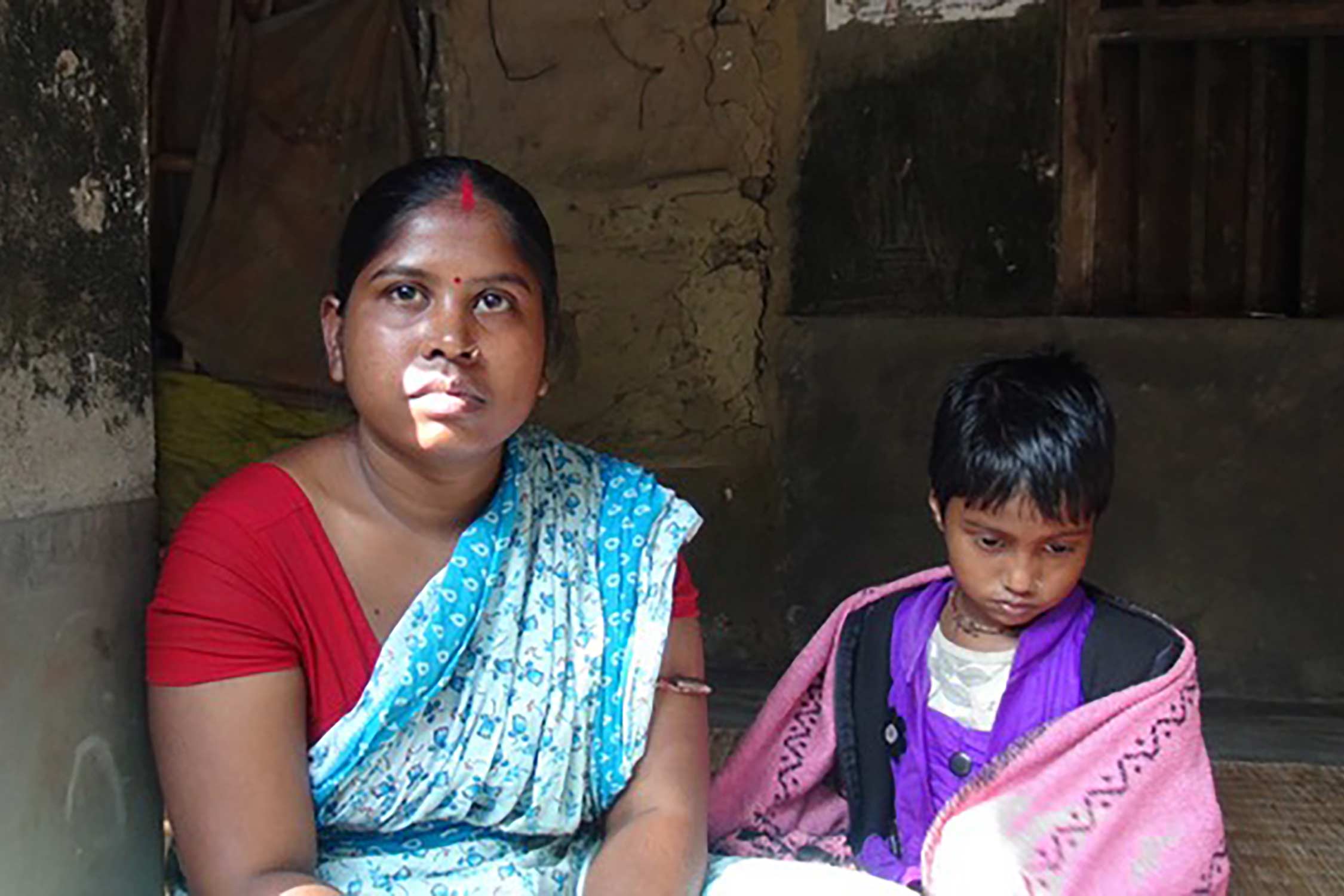
There are so many, but one story that always stays with me is about a woman in West Bengal who suffered terrible domestic violence because she gave birth to a daughter instead of a son. Her husband abused her for years.
When she joined one of our microloan groups, everything began to change. The loan itself mattered, of course, because it gave her a way to earn income. But even more important was the sisterhood that formed around her. For the first time, she was no longer isolated. She had other women standing beside her.
During COVID, her rope-making business was the only one in her village that survived and even grew. Eventually, the same husband who had abused her had to ask her to teach him the business. In the end, she became the one employing him.
To me, this is the real power of YGB’s work. It is not just financial support. It is dignity, voice, protection, and inner empowerment.
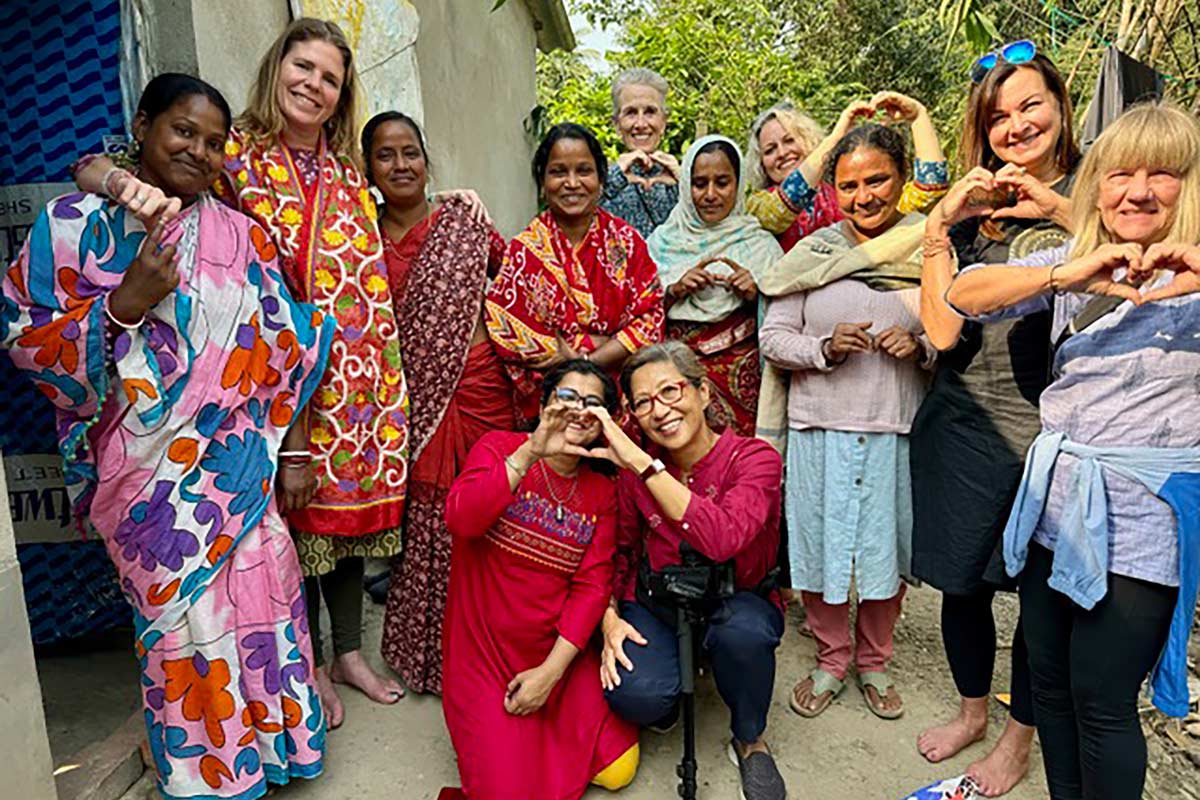
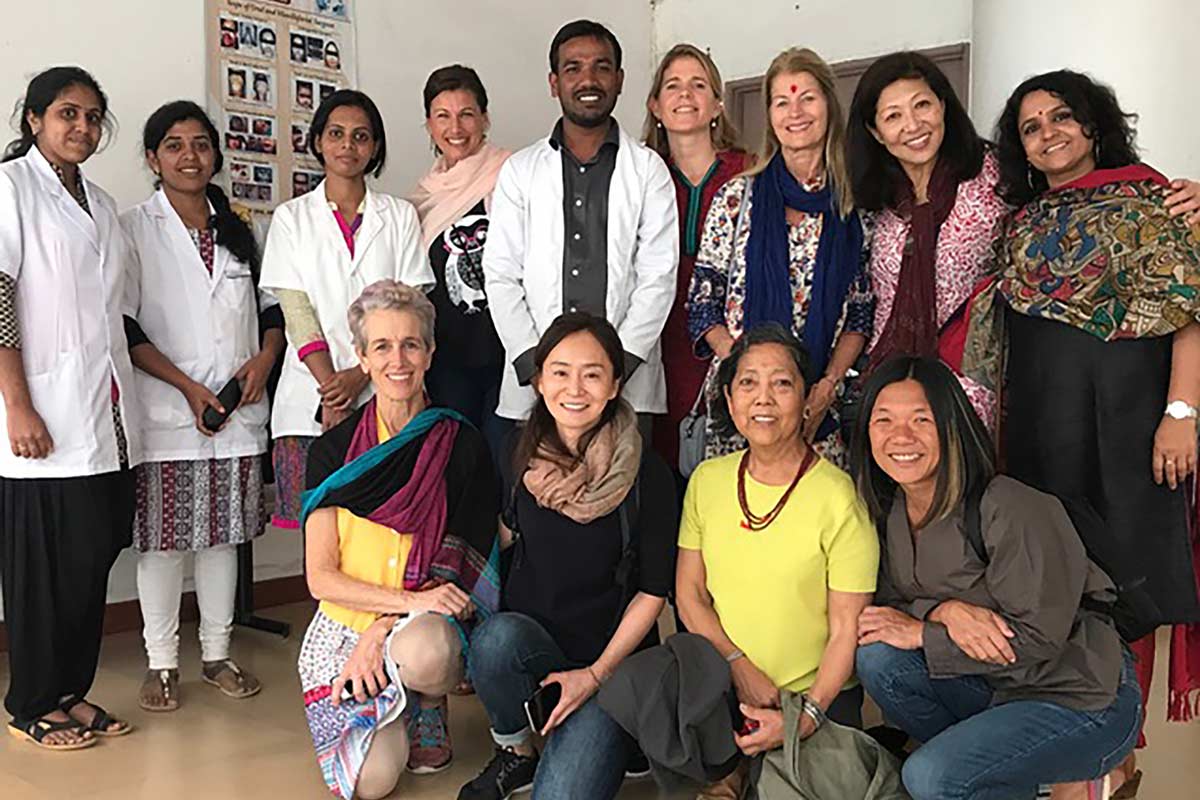
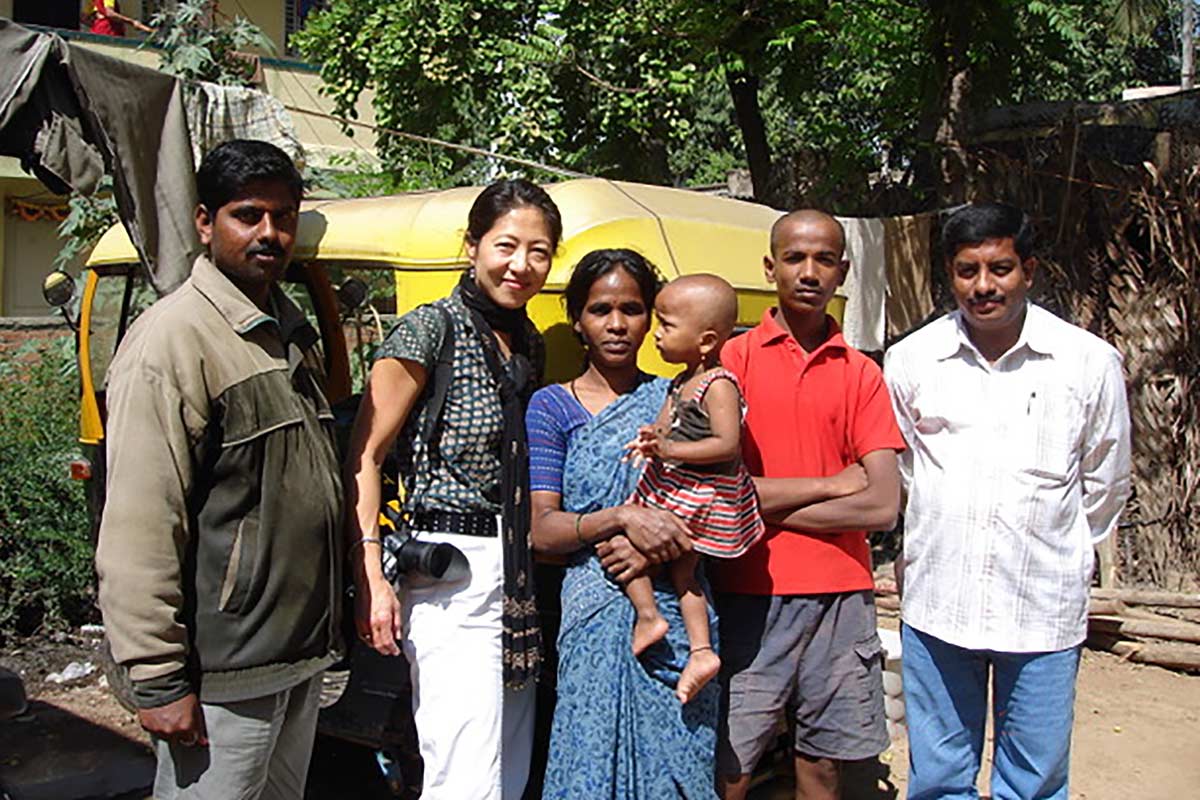
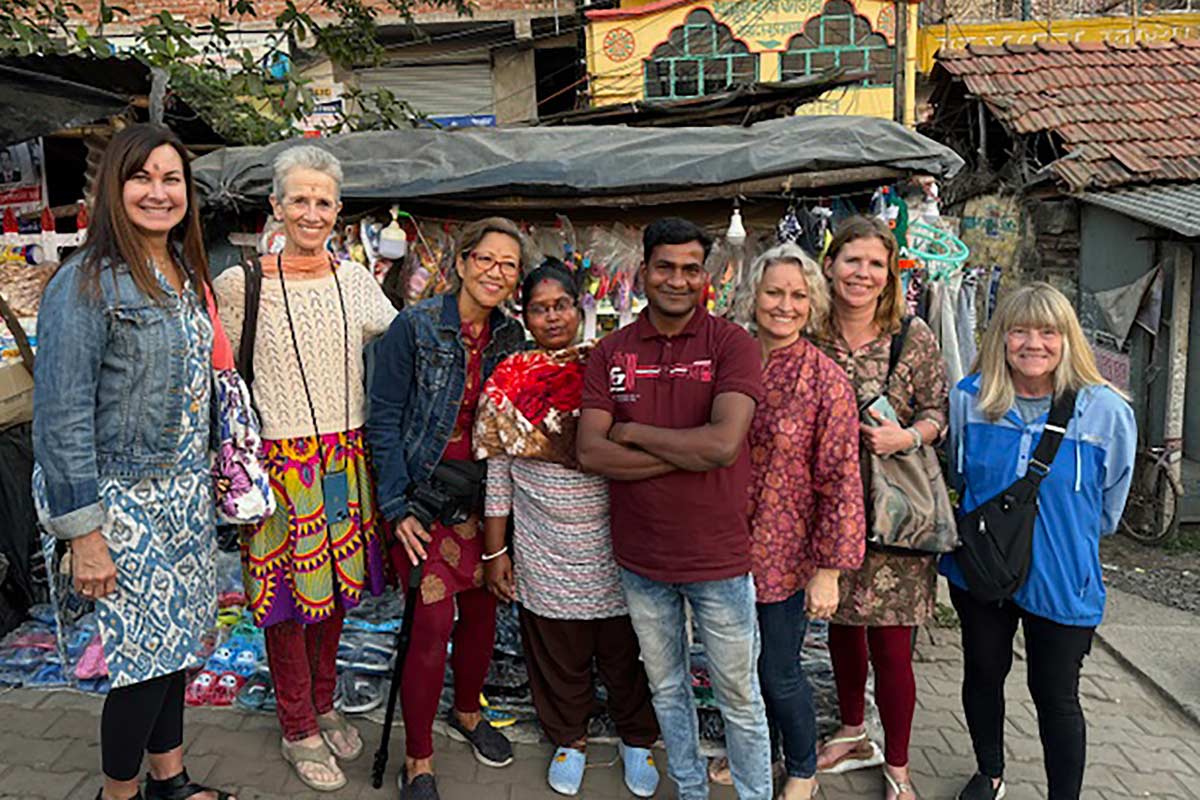
Creating Yoga Gives Back has changed me completely. In many ways, it asked me to leave behind my former identity as a documentary filmmaker and step fully into my life’s mission. I stopped working toward deadlines and instead immersed myself in a deeper purpose: to give back. It has made my life feel whole.
During my years in documentary filmmaking, I often felt I was telling important stories, but after the broadcast was over, I sometimes carried a sense of guilt that I had witnessed suffering without being able to stay in relationship with the people whose lives I filmed. With Yoga Gives Back, that changed. This work became my life’s work.
It has given me the opportunity to listen more deeply to our fund recipients, to become less judgmental, and to stay responsible to the people whose stories I carry. It has also transformed my understanding of service. I no longer see yoga as something only for personal well-being. I see it as a path that asks us to care for ourselves physically and mentally so that we can serve others.
On a personal level, this work has made me more humble, more persistent, and more hopeful. It has also shown me that when a mission is authentic, the right people keep appearing to help carry it forward.
For someone practicing yoga in the U.S. who might be hearing about Yoga Gives Back for the first time, why should they care? What becomes possible when people participate in this kind of giving?
I believe they should care if they are receiving any benefit from yoga. This gift is not for consumption or selfish goals alone. It is an ancient wisdom tradition that aims to make us more compassionate.
Yoga teaches connection, gratitude, karma yoga, and seva. If this practice has blessed our lives, then giving back to its birthplace is a very natural expression of that gratitude.
What becomes possible is extraordinary. A very small gift can create real transformation in India—a microloan for a mother, education for a child, support for a college student, dignity for a young girl who might otherwise be pushed toward child marriage, human trafficking, or lifelong poverty.
But something else also becomes possible: the yoga practitioner changes, too. Giving turns yoga from a personal wellness routine into a living spiritual practice. It deepens our understanding of humanity and human potential in service of something greater. It reconnects us to the true purpose of yoga, which is not only self-improvement, but service and union.
What is something this work has taught you about humanity that you didn’t expect?
One of the most beautiful things this work has taught me is that gratitude is not a soft feeling—it is a force.
At the beginning, I did not fully understand that when someone receives a life-changing opportunity with dignity and love, they often want to pass it forward. I have seen this again and again. Children who grew up in very difficult circumstances become adults filled with gratitude, and then they commit themselves to helping the next generation. Young women who receive an education go back to serve their communities.
This is why I often speak about an eternal circulation of gratitude. At first, I thought we were simply raising money and sending it where the need was greatest. But over the years, I realized we were also helping spark a chain of human connection—gratitude turning into action, and action turning into more gratitude. That has been one of the deepest lessons of my life.
