Yoga Plus Magazine Logo with white border
Spotlight: MEXICO

Spotlight: MEXICO

Spotlight: MEXICO

By: iana velez

TRAVEL

J Miles - Music Love Article

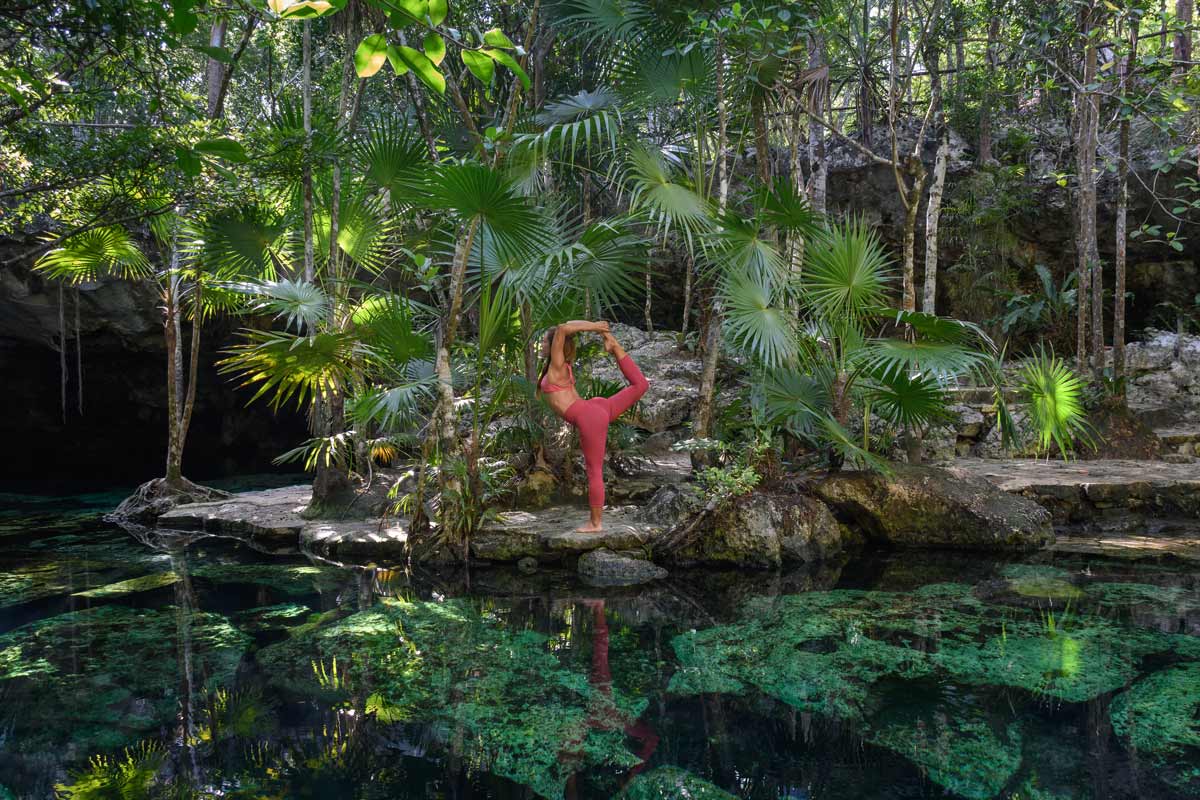
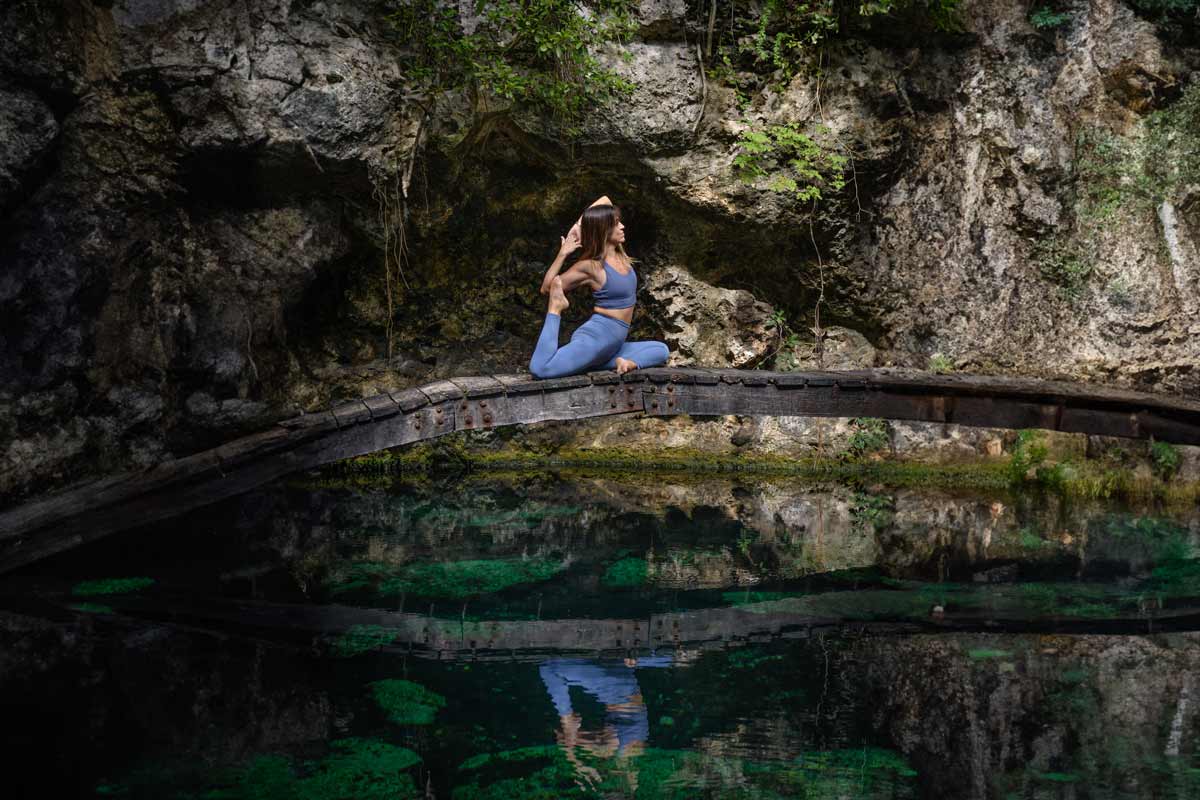
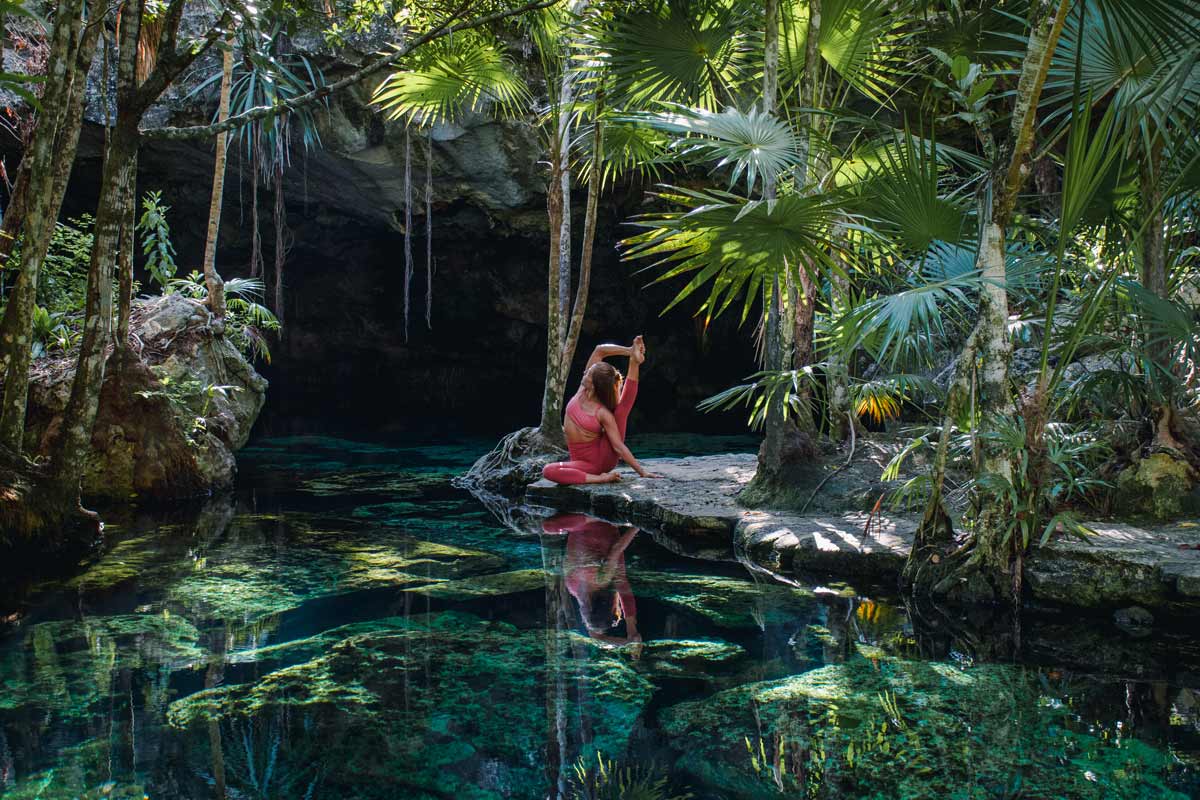
Mexico lindo y querido! After living 15 years in NY I’m back to my homeland, and it has been a beautiful comeback, this time to the very special tropical area of Mexico, Riviera Maya. It’s full of incredible beaches and nature, but what I find even more special are the “cenotes.” In Maya, “hoyo de agua,” these natural water caves are pure magic, unique in the world, mayas considered them portals to the underworld and sacred source of life. It’s worth the trip just to visit these beautiful natural pools and caves.

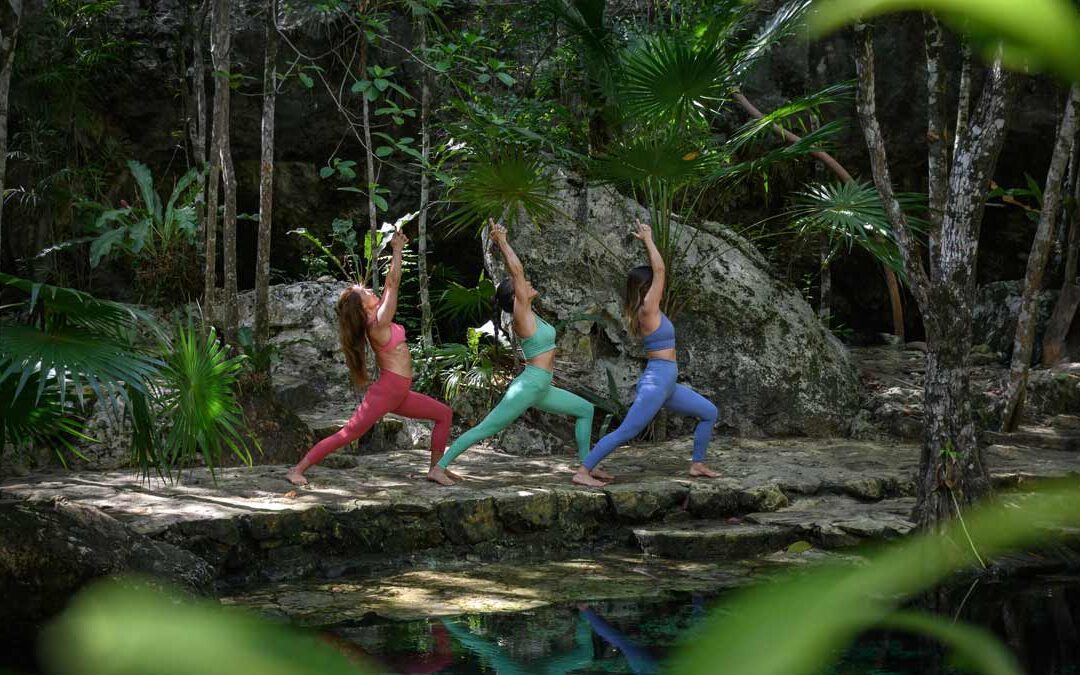
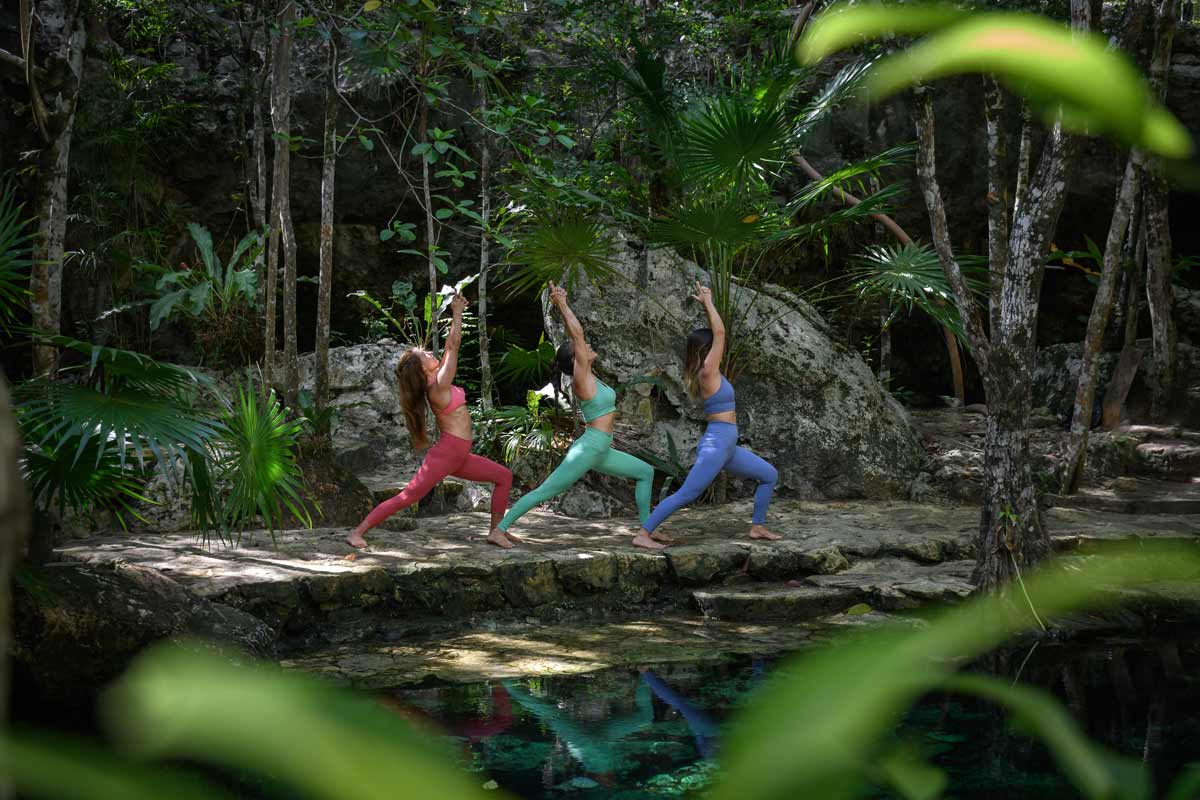
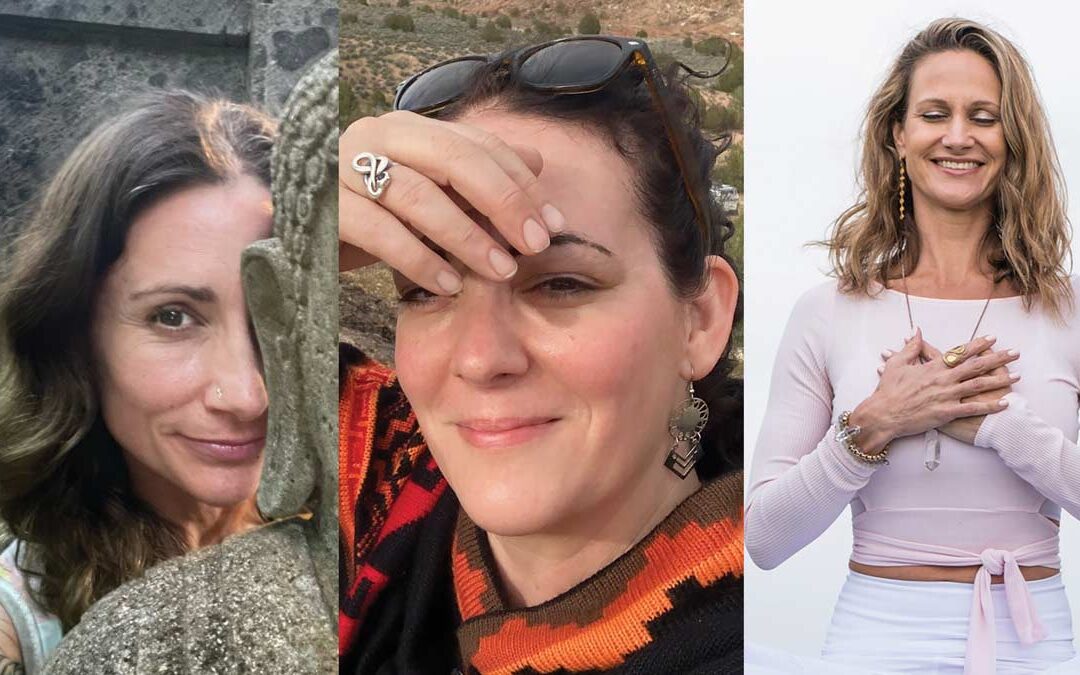
We chose Cenote Minotauro, a small but very pretty cenote with Mariel and Adriana, two amazing yoguis devoted to the learning and teachings of yoga based in Mexico. Mariel recently opened a yoga studio built around an old and majestic Kopo tree, hence the name “Kopo Yoga.” She had a dream the studio was to be created there, and the universe conspired to make it a reality. Today, it’s a space for community and yoga practice—you can’t miss it if you come to Playa del Carmen.
Miriam Castillo
@miriamcastilloart

“Joy to me is connection, to yourself, to people, to nature, most importantly to a sense of belonging to something greater than life. To the magic of existing and living on this earth. Once you realize that it exists within, all the time, joy appears instantly, not in the future plans, or big dreams, but in any moment you decide to feel it. It is there as long as you are breathing.”
Adriana Zavala
@adryzav

“How does joy feel? The gentle yet powerful freedom of being able to love what IS. The effervescent trust in whatever is arising at this present moment, beyond expectations and uncertainty. The wholehearted contentment of accepting and embracing life as it unravels… and smiling because we are able to experience it all by being ALIVE.”
Mariel Chapoy
@marielchapoy

“I define joy as an opportunity to see things with the divine grace of a simple smile. To look into the eyes of others, to look at the sky and the stars. To know that I am alive as I feel my heart beating, and to share and laugh with others. To dance, to dream and to remember that every moment in this life is filled with the presence of God.”

BEHIND THE SCENES VIDEO

Ashish Arora

Adriana Zavala

Ashish Arora

Miriam

Ashish Arora
Mariel
LATINAS WHO MEDITATE – Interview with founder Natalie Valle

LATINAS WHO MEDITATE – Interview with founder Natalie Valle

LATINAS WHO MEDITATE

Interview with founder Natalie Valle

By: Ingrid Baqureo

PROFILES

How did you end up on this wellness journey? 
In high school, I had an unhealthy relationship with food, and I became very curious about food and fitness. It began as a pretty intense journey with disordered eating and even teetered into a little bit of substance abuse. In college, I really hit a low point. I needed an extra credit for my degree, so I thought I’d just take an exercise elective. I’d do something easy, something that won’t be any work.

The teacher ended up being a yoga instructor, so for a whole semester, I dove headfirst into yoga. I’ll never forget my first savasana. I’ll never forget laying down and feeling so much compassion for my body and such a connection with my body, because historically, my exercise routine was out of almost punishment, right? Like, I want to look this way, so I need to work hard to look this way. Yoga gave me this approach of feeling my body and moving my body and doing it in a way that incorporated gratitude. After I graduated college, I was already on my healing journey. I learned about meditation and that I could soothe my nervous system and find ways to feel better. 

I took a sound practitioner course and on day one of that training, something sparked within me that completely shifted the trajectory of my life. Even though yoga was my first love as a practice for myself, when I stepped into teaching, it was actually sound baths. 

What is unique about being a Latina healer? Do you notice anything different?
Being a Latina in the wellness space, my experience has been unique in the sense that I feel very blessed and privileged. I had a lot of people rooting for me and supporting me. Not everybody has that experience. While I may have carved a seat at the table for myself and I feel comfortable in those spaces, sometimes being the only Latina woman or sometimes the only BIPOC person in the room, not everybody feels comfortable in those spaces. Not everybody feels welcomed.

There are some incredible healers, and we all have indigenous roots. As a Latina woman, pulling from the wisdom of my ancestors has been so potent. We think about smudging, burning a sacred herb like palo santo, tobacco, or sage—this is something that our ancestors did to cleanse the energy, to clear for ceremony. It’s been a really beautiful thing to honor the ancestral teachings and learn about them. When I practice them, I feel connected to them.

I feel proud that as Latinos and Latinas, there is so much medicine that we can tap into from our ancestral roots that is unique to our DNA and our bloodlines. I feel like these practices were gifted to me from my ancestors. As a Latina woman, there was a craving to see more folks that looked like me so I could relate to them. There’s a lot of religion and Catholicism within the Latino culture that perhaps can be a barrier of entry to some wellness practice, so it helps if we can find solidarity and not feel so alone going through it.

Our culture does have religion as an institution and it could cause conflicts based on the ways of our ancestors. So how can you find a balance between both? And at the end of the day, whether it’s religion or spiritual practice, it’s all going to the same path of the divine, of the divinity, of being connected, and just being the best human you can possibly be.

I think the other part of being a Latina in the wellness space that maybe doesn’t get talked about as much is the paradigm that a lot of children of immigrants live in. If you are a child of immigrants or an immigrant yourself, there’s almost this badge of honor of working hard—of earning your place, earning what you have. Because of that, my parents worked really hard. They were immigrants. They had nothing so they really value hard work. Wellness and self-care were never a part of their lifestyle. They were never things that they considered necessary in what they consider a good life. For them, it was like having a good job, a home, a healthy family, food, and really survival. For children of immigrants, it also can be challenging to adopt the mindset of self-care when all our parents and grandparents have known is survival, and that can sometimes hinder people’s self-care. It wasn’t taught at my home because my parents were busy surviving. 

It really is a privilege to be in a place where my whole life revolves around taking care of my mental health and my body. I’m standing on the shoulders of my parents and my grandparents and great-grandparents who sacrificed their lives to make sure that their children had everything that they needed.

Children of immigrants now have that privilege to change the narrative and their wellbeing. How did you come up with Latinas Who Meditate?
The name Latinas Who Meditate came to me at the height of the pandemic. It was almost this spark of inspiration. But I did nothing with it for years—it sat dormant and I forgot it existed. Last year, I was signed by Nike and during my onboarding, we had a diversity, equity, and inclusion workshop. It dawned on me that after five years in the industry, there was a gap in the demographic of clients that I was serving, primarily due to accessibility and inclusivity. I was inspired, and felt now through Nike, I was supported and I had the resources. Latinas Who Meditate popped back into my mind again, and I was like, “That’s it!”

So that’s kind of the creation story of it. It’s very clear now what it was meant to be: a community that lives within the love and alchemy offerings, but takes more of a being of service to the community, to the collective, to empower Latina women on their journeys. It’s so sweet because once you have your network, your network continues to have a network, and it  widens up opportunities.

What are you looking forward to for the future?
I look forward to the reintegration and honoring of the elders. Moving into a place where we don’t learn from the person who has the most followers on social media, we learn from the person who has the most years of wisdom, who has lived studying the teachings of those who came before them. The reintegration of the medicine people into our culture, into our practice. Social media has been such a beautiful gift to give these elders and these wise medicine people a platform to share the medicine that they know now that it is safe for them to come out and be in the public space again.

If you had to pick one word, how would you describe the future?

Regenerative. Regenerative is traditionally known as the process of renewal and restoration, whether that is through the ecosystem or  our own cells and tissues. The way that we’re moving as a species, as a collective, is we need to embrace the natural process of regeneration, to not only heal ourselves from a physical, emotional, mental, spiritual perspective, but also heal our species and our planet. I would like to describe my work as regenerative, to give people space to restore, to renew, and also to contribute to the whole of regeneration.


Learn more:
loveandalchemy.com
@latinaswhomeditate

Yoga Transforms at Bhakti Fest 2024

Yoga Transforms at Bhakti Fest 2024

Yoga Transforms at Bhakti Fest 2024

PROFILES

BEN CLARK INTERVIEW
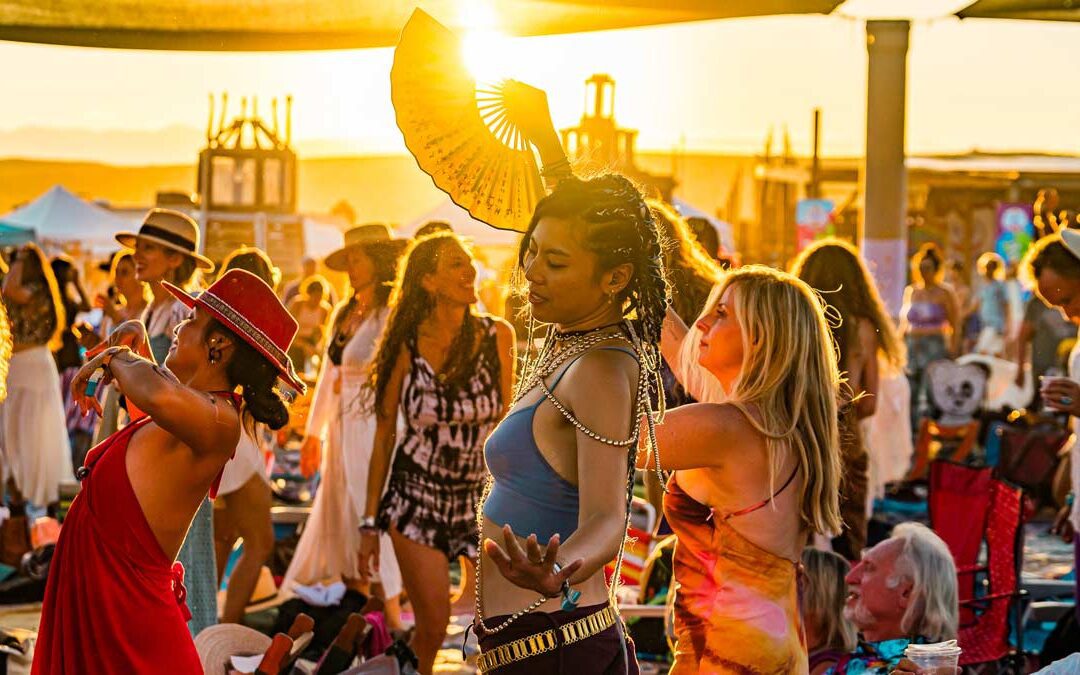
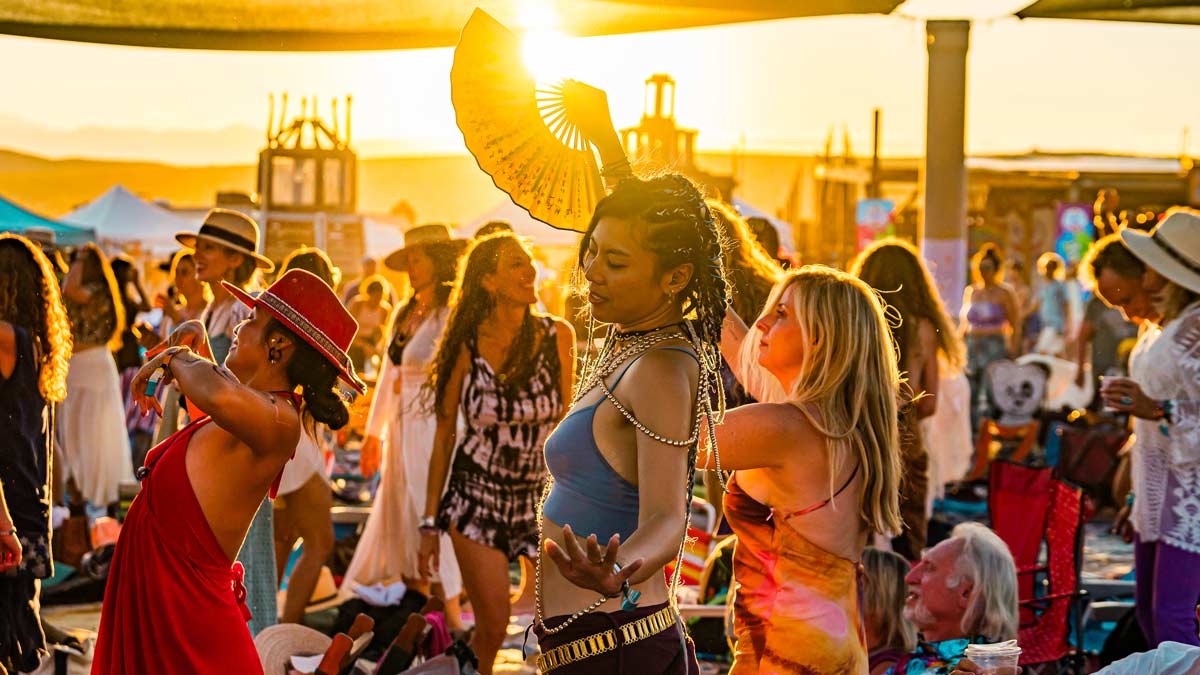
Transformation will be at the heart of this year’s Bhakti Fest, taking place September 27-29 in the majestic setting of Joshua Tree, California. Producer Bella Silberfein explains how the theme “Yoga Transforms” will spark reflection, growth, and positive change for attendees through yoga and the coming together of the community.

“The transformative power of yoga is core to its teachings and something we all experience on our path in big and small ways,” shares Silberfein. “When we carve out time for self-reflection, yoga, and meditation, we open the door to evolution, building emotional strength, resilience, and self-awareness.”

The physical and mental practices of yoga provide us with tools to work through struggles and discomfort with compassion. Asana helps us better understand where we resist and allows us to release limiting patterns. Pranayama teaches us to regulate our energy and be present. Meditation guides us inward to explore our most profound truths.

Silberfein hopes Bhakti Fest provides an uplifting, transformative experience by uniting us in community. “When we come together around our shared love of yoga, music, and sacred wisdom traditions, it creates an energy that inspires and elevates us all. We walk away profoundly changed, creating a ripple effect.”
An incredible lineup of yoga teachers and diverse music performances will provide ample opportunities to reflect on transformation personally and collectively. Through yoga classes, workshops, chanting, and more, attendees can explore letting go of limiting beliefs, finding new purpose, deepening their practice, and positively evolving relationships and society.

The impressive yoga teacher roster connects us to yoga’s roots, with masters like Seane Corn and Janet Stone joining beloved teachers Shiva Rea, Dianne Bondy, and Nina Rao. On the music stages, spiritual artists like Krishna Das and Radhika Das will stir our souls, while fresh acts like Deya Dova and Marieme will entrance us.

Silberfein beautifully sums up the ethos behind this year’s theme: “Yoga transforms not just the body and mind, but our hearts. When our hearts open up through yoga, we lift the world.”

Spotlight: Joy & Travel

Spotlight: Joy & Travel

Spotlight: Joy & Travel

By: iana velez

TRAVEL

J Miles - Music Love Article
For many people, a yoga retreat can be an opportunity to focus on your practice, meet some new friends and travel to a beautiful location. If you’ve ever enjoyed attending a retreat and thought “hey, I’d like to plan a yoga retreat” then read on! We asked some amazing yoga teachers who lead retreats all over the world for some advice on planning retreats and how they find joy!
Ashish Arora

Kelly Kamm

Kellykammyoga.com
@kellykammyoga


How far in advance do you plan your retreats?
I usually host 3 retreats per year I tend to plan about a year in advance, but I find that most people sign up about 6 months prior. I typically plan everything myself, except the Bali trip which I sometimes do with a partner. You’ve got to be super organized. If you’re not great at planning, you can use a retreat company. It’s way easier, but you’ll make much less money that way. 

Where have you hosted retreats?
I think I’ve been leading retreats to Bali for 9 years, and to Marrakech for about 7 years! I’ve also brought people to Vietnam, and Banff, Canada.

What advice would you give someone planning a retreat for the first time?
Over the years, I’ve realized how important it is to create solo time and space for yourself during the trip. Yes, you’re there to guide folks and to give them the best experience that you can, but you can’t do that if you’re depleted. I’ve seen people who lead these kinds of trips and never give themselves a break, and by the end they get sick! Make sure you have your own room, and if you need to disappear for a couple of hours to recharge, that is totally OK.

What is your favorite memory from a retreat you hosted?
One moment that made me cry happy tears was when the first friend I ever made in Bali came and picked up my son and took him to her village for the day. He picked fresh guavas, went fishing, rode ATVs through the jungle and flew kites in the rice paddies. It was such a special experience for him, and I was so grateful for the friendships I’ve made in my travels.

Dream location for retreat?
I have so many dream trips that are half planned! I really want to bring people to the more remote and wild islands of Scotland.

The theme of our issue is JOY, can you share with us how retreats/travel helps you or others connect and create JOY in their lives?
I see joy and awe as deeply connected, and in my experience there is nothing more awe-inspiring than traveling to a wondrous, beautiful and far away place. It makes you more tolerant, less focused on stuff and more delighted by experiences, especially when those experiences are shared with a group of great people. I have seen so many deep and long-lasting friendships formed on my retreats!

Has anything changed the way you plan a retreat post-covid?
Covid changed me in that it made me much more interested in what it means to travel ethically. During the pandemic, I saw people taking groups of Americans to places with limited medical care, and it really made me take a hard look at travel in general and how to do it in a way that benefits the people you visit just as much as the retreaters that you bring on vacation.

Ashish Arora

Victoria Greene

victoriagreeneyoga.com
@victoriagreeneyoga


How many retreats do you host per year?
Last year I hosted retreats to Iceland, Peru, Ithaka (Greece) and Sicily. In the US, I host weekend retreats in Pennsylvania (at the Himalayan Institute).

Any advice to someone planning a retreat for the first time?
Always remember that people are not only trusting you with their money, but also with their time…they could choose to go anywhere with their vacation time, and they are choosing to come somewhere with you. Hold this close to your heart and realize the great responsibility that you carry. I never take that for granted.

What is your favorite retreat memory?
Seeing hundreds of Icelandic horses galloping across the most beautiful landscape imaginable was incredible. Experiencing a true ‘Pachamama’ moment of an earthquake at the beginning of one of our yoga classes in Peru! Seeing how the heaviest rainfall in over 8 years, brought out the most beautiful wildflowers all over the tiny island of Pantelleria in Sicily overnight. Waking up to that was magical.

Dream location for a retreat?
I tend to obsess about a place before diving into the reality of leading or running a retreat and for me, at the moment New Zealand is calling.

How do retreats help us connect and create JOY in our lives?
After the first day or two on retreat, when everyone is settled and feels comfortable. I have quite literally seen the softening of people’s expressions. It’s hard to explain, but it looks like a gentleness comes over them, they are quick to smile and to laugh. Joy becomes more than a buzzword or some elusive quality of experience. It becomes a reality. There is such wonder in being in a new place to me, with a new vista, to feel the air and the land as new. At some point wherever I go, I will kick off my shoes and just lie down on the earth—just for a moment. That brings me joy. Here I am in a place that perhaps I only dreamed about, and it reminds me to be grateful for all the people in my life that have helped me get to that place.

Any resources you recommend?
There are some responsible retreat companies out there, who care about the impact that their business has on the environment and support local economies and conservation efforts. I love to introduce yoga practitioners to the Himalayan Institute in PA, for any of their faculty-led weekend retreats and study weekends, and internationally to a B-Corp retreat company that I am so honored to be a member of the team for reclaimyourself.co.uk.

Ashish Arora

Sarah Platt-Finger

sarahplattfinger.com
@sarahplattfinger


Where have you hosted retreats?
I host about 2 retreats a year and planning is minimum of 9 months, but 1 year in advance is best. Locations have included Mexico, India, Bali, Hawaii, Costa Rica, Sweden, Greece, Florida Keys, and NY. My dream location to host a retreat is the bush and the vineyards of South Africa.

Do you plan with a partner?
I offer retreats with my partner or with a colleague. I’ve also taught in several retreats led by Chopra or through my studio, ISHTA Yoga.

Any advice to someone planning a retreat for the first time?
Be sure that the retreat location is vetted to host yoga retreats! There are many specific details required for a location to host a yoga retreat, including the yoga space, noise levels, food options, and the overall vibration of the space. Hosting a yoga retreat is very different from vacationing at an all-inclusive resort! So it’s important to either visit the location ahead of time, or speak to a fellow yogi who has taught there before.

What is your favorite memory from a retreat you hosted?
Teaching with a live musical accompaniment overlooking the Aegean Sea during sunset. Absolutely divine!

How do retreats help us connect and create JOY in our lives?
I have always loved going outside of my element and traveling to new places. Sometimes all it takes is leaving our normal everyday routine to spark the seeds of joy that are latent within us. Then add the powerful practices of yoga, meditation, and the company of like-minded individuals in the beauty of nature; it is hard NOT to experience joy!

We have all probably had those kinds of holidays where we feel like we need a vacation just to recover from the vacation. Retreats are an opportunity to not only experience adventure, see new landscapes, and deepen your yoga practice, they are also an opportunity to deeply rest. Everyone is deserving of joy, and everyone deserves to experience at least one yoga retreat in their lifetime (hopefully many more than that!).

Spotlight: Yoke Yoga – Bridging Tradition and Technology

Spotlight: Yoke Yoga – Bridging Tradition and Technology

By: Melissa Honkanen

PROFILES

J Miles - Music Love Article

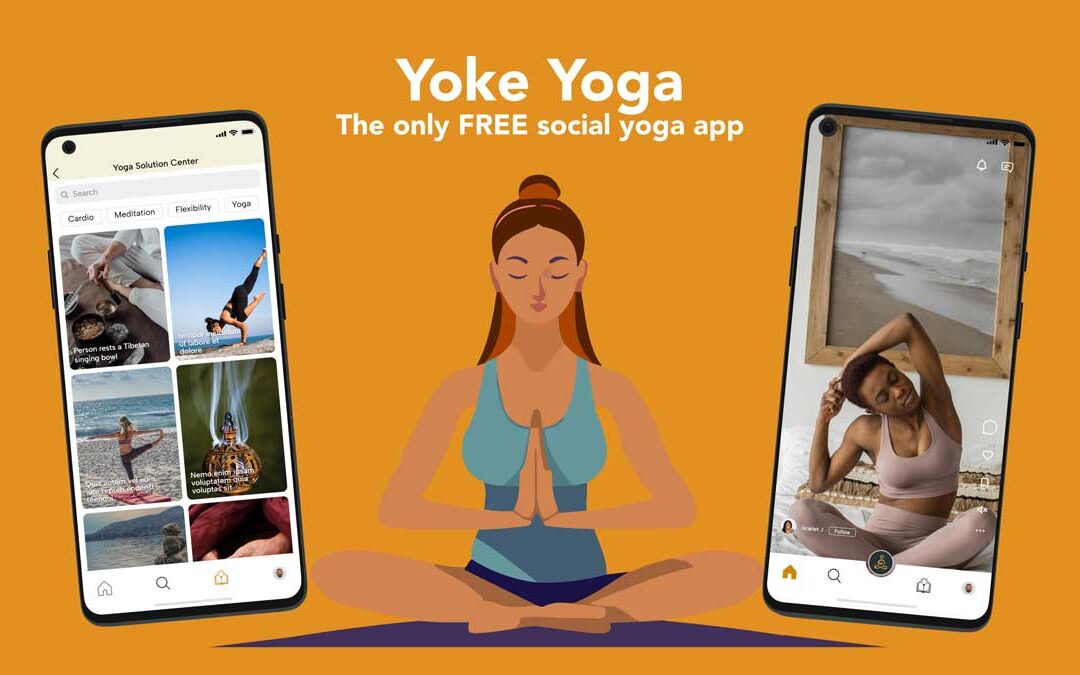
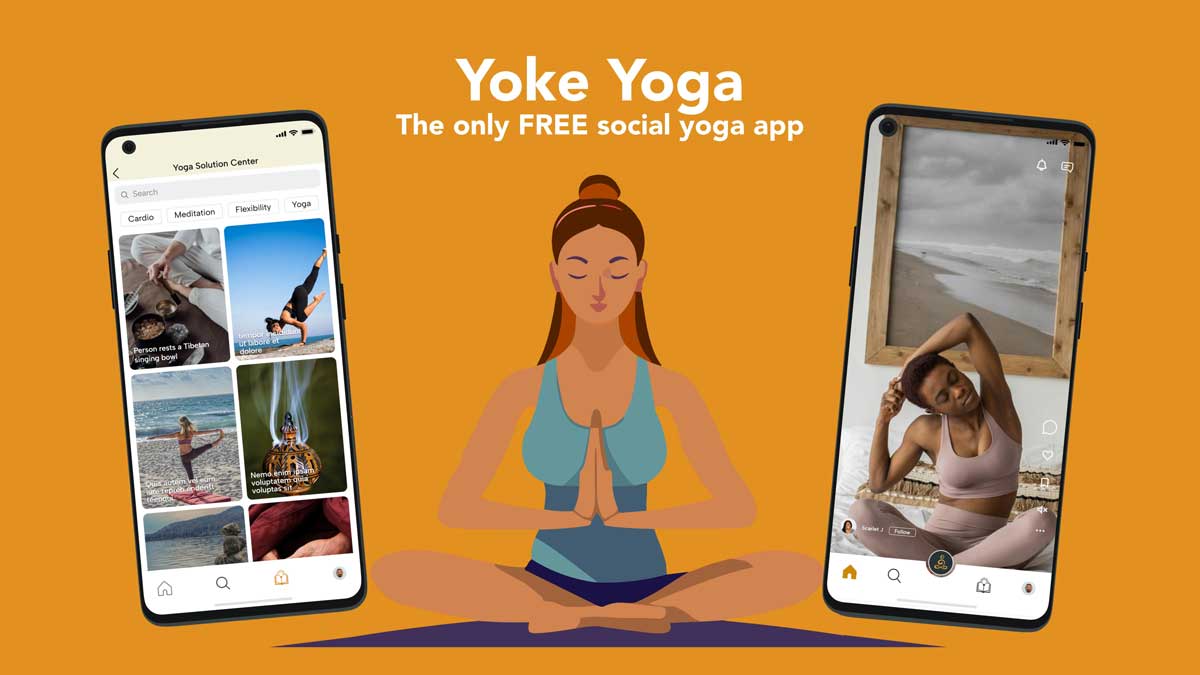
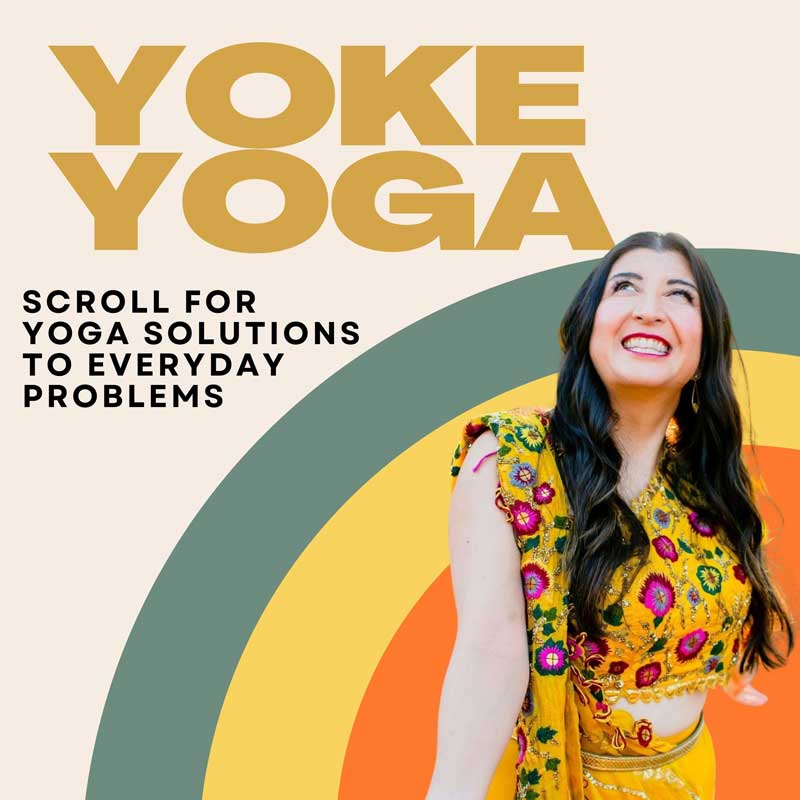
Susanna Barkataki is leading a quiet revolution to shake up the yoga world with her groundbreaking Yoke Yoga social platform. Yoke Yoga is more than just a yoga app; it’s a mission to transform how we engage with an ancient practice in today’s digital age.

Susanna’s journey began with the realization that the true essence of yoga was being overshadowed by its Western commercialization. “I had this understanding that if we are to truly honor yoga’s roots and extend its benefits, the change had to begin with the practitioners themselves,” she explains. From this insight, Yoke Yoga was born—an initiative aimed at making yoga accessible, inclusive, and deeply connected to its origins and moving away from fitness culture.

Ashish Arora

Yoke Yoga is designed to integrate seamlessly into daily routines, allowing users to practice yoga at their convenience. “It’s about turning the impulse to doom scroll into something positive. We’re using the platforms people are already on—their phones—to introduce them to yoga,” Susanna notes. This accessibility is central to her vision of breaking down barriers and making yoga universal.

Yoke Yoga’s philosophy is to make yoga an integral part of daily life, beyond the confines of traditional studios. “We’re moving away from scripted, polished scenarios and bringing yoga into the messy, beautiful reality of everyday life,” she says. This approach demystifies yoga, inviting people who might feel intimidated by the conventional yoga studio environment. Susanna envisions a platform where yoga meets people in their living rooms, workplaces, and even during their commute.

Central to Yoke Yoga’s mission is its commitment to social justice. The platform is built on the pillars of diversity and equity, ensuring that everyone, regardless of body type or background, feels welcomed and represented. “From the start, we’ve been committed to trauma-informed practices and celebrating diversity,” Susanna states. “It’s not just about adding diversity as an afterthought—it’s about making it the foundation of what we do.”

Yoke Yoga also incorporates a profit-sharing model with its teachers, acknowledging the economic challenges many face in the industry. “We wanted to create a space where yoga teachers can be their full selves, share their practices authentically, and be compensated fairly,” she emphasizes. This model not only supports yoga professionals but also ensures that the quality of instruction is high, benefiting all users.

Yoke Yoga is a beacon for those seeking a more authentic and accessible yoga experience. By blending traditions like mudra, meditation and mantra with the innovation of meeting modern yogis where they are—online and on their phones, her and her team are paving the way for a more inclusive and holistic approach to wellness.


Learn more: yokeyoga.com

AGE AND THE BRAIN

AGE AND THE BRAIN

AGE AND THE BRAIN

by: Janie Larmour founder of Zen Ki Yoga®

PROFILES

BEN CLARK INTERVIEW
Dr. Tharusha Jayasena has a professional background in medical research spanning over 15 years and has dedicated her career to exploring brain aging and dementia. Her work has mainly focused on advancing the discovery of blood biomarkers for Alzheimer’s disease and vascular dementia. She obtained her MSc and PhD degrees at UNSW Sydney. Tharusha is also the founder of Mantra Skin, an Ayurveda-inspired skincare brand influenced by the synergy of science and self-care, promoting holistic wellbeing through intentional rituals and affirmations.

How does yoga benefit the brain and its aging process?
Yoga has been shown to enhance the brain’s ability to reorganize and form new connections. Studies suggest that a regular yoga practice can increase the thickness of the prefrontal cortex, a region involved in decision-making, attention, and cognitive control. Yoga also promotes connectivity between different brain regions, supporting better cognitive function and emotional regulation.

Yoga reduces cortisol levels, the body’s main stress hormone. Chronic stress is associated with brain shrinkage, particularly in the hippocampus, an area crucial for memory and learning. Research also indicates that yogis often perform tasks more effectively that require concentration and memory, suggesting that yoga can support sustained cognitive health, particularly in aging populations. Chronic high levels of cortisol can also lead to impaired brain function, increased inflammation, and a weakened immune system.

Physically, a regular yoga practice has been shown to lower blood pressure, particularly when yoga incorporates deep breathing and relaxation techniques. This is also important for cardiovascular health, as high blood pressure is a major risk factor for heart disease and stroke, both of which can impact brain health.

What benefit does meditation give to the brain?
Meditation improves emotional regulation by strengthening the connection between the prefrontal cortex and the amygdala (the brain region involved in processing emotions), allowing us to have better control over emotional reactions, mental clarity, and stress management. Regular meditation will also reduce symptoms of anxiety, depression, and stress, as it helps to activate the parasympathetic nervous system, our relaxation response. This reduction in anxiety and depression is important for brain health, as chronic emotional distress can contribute to cognitive decline.

Meditation, especially mindfulness meditation, the most studied form of meditation, has been linked to increased grey matter in areas of the brain involved in learning, memory and emotional regulation, such as the hippocampus and prefrontal cortex.

Just like yoga, meditation is effective in reducing cortisol levels and lowering blood pressure. A regular practice (particularly mindfulness and guided meditation techniques) can improve sleep quality and reduce mental and emotional factors that contribute to insomnia. Poor sleep patterns are associated with increased risk of dementia and cognitive impairment.

Inflammation is another risk factor that contributes to several age-related conditions including dementia, arthritis, swelling, obesity, diabetes, and cardiovascular disease. Meditation has also been shown to reduce inflammation in the body. By lowering inflammatory markers, meditation may help protect against neurodegenerative diseases and promote overall health.

Both the physical movement of yoga and the mental focus of meditation create a powerful synergy. This contributes to healthier brain function throughout our lifespan by lowering stress, improving mood, and enhancing cognitive ability, while improving quality of life. Yoga and meditation will not prevent dementia alone, but they may help reduce the risk of dementia and delay cognitive decline.

How does quality of sleep contribute to brain health?
While lack of sleep may not directly cause dementia, it is increasingly recognized as a significant risk factor. Poor sleep quality and disrupted circadian rhythms can contribute to conditions such as inflammation, oxidative stress, and the accumulation of harmful proteins like beta-amyloid and tau, which are associated with cognitive decline and dementia. Moreover, disruptions in hormones like melatonin and cortisol further impair memory and cognition. Long-term sleep issues and circadian rhythm disturbances (such as those seen in shift workers or those with sleep apnea) significantly heighten the risk of cognitive decline and dementia. Addressing sleep disturbances and promoting good sleep hygiene early in life may help reduce these risks and support long-term brain health.

What role does diet play in brain health?
Diet can significantly impact brain health, and fatty acids like omega-3 and omega-6 play crucial roles in cognitive function. Both are essential for brain health, however excessive omega-6 combined with low omega-3 can promote chronic inflammation, so it is important to have a good balance with more omega-3 than omega-6.

Are there specific foods we should eat for brain health and function apart from focusing on omega-3 and omega-6?
Yes, our ability to produce antioxidants and repair enzymes declines as we age, reducing our ability to neutralize free radicals. This imbalance leads to oxidative stress, which accelerates cellular damage, and this increases our risk of cognitive decline and neurodegenerative diseases over time. Certain foods are recognised for their potential to support cognitive function and reduce age-related brain decline. These foods give us antioxidants, anti-inflammatory compounds and essential nutrients that protect neurons.

What lifestyle choices will help reduce the risk of dementia?
Learning new skills: engaging in activities such as learning a new language, musical instrument, or a new hobby promotes neuroplasticity – the brain’s ability to form and reorganise synaptic connections, keeping the brain resilient and maintains cognitive function.

Social connections: emerging research highlights the importance of ‘social cognition’ – the mental processes that enable us to understand, interpret, and respond to the behaviours, emotions, and intentions of others. This includes skills such as empathy, recognising emotions, and understanding others’ perspectives.

Building new social relationships: rather than just maintaining family and close friendships, new social interactions stimulate social cognition, improves memory, empathy, and problem-solving as we are challenged by new situations and behaviours.

Exercise and movement: aerobic exercise (such as walking, swimming, and cycling), strength training (for metabolic conditions that harm the brain. This also improves bone density), and balancing exercises (yoga and tai chi to reduce falls).

Is there anything else we should consider about wellbeing as we age?
It is important to remember that aging is NOT a disease to be cured. The idea of longevity and extending lifespan has garnered increasing attention in scientific circles and popular culture over the last few decades, with scientific research toward regenerative therapies leading to the belief that aging can be treated, if not reversed.

From a yogic perspective, aging is not viewed as a disease, but as a natural process that reflects the cyclical nature of life. In yoga philosophy, the body is seen as a temporary vessel for the soul and the aging process as part of the soul’s journey. Rather than focusing solely on prolonging life, yogic teachings emphasize living in harmony with nature, cultivating mindfulness and embracing the stages of life with

acceptance and grace. Aging, in this context, is not something to be feared or fought against but something to be approached with inner peace and spiritual growth. The focus is on vitality, wisdom, and balance rather than on an extended lifespan, with the ultimate aim being the realization of one’s true self.

Ultimately, aging is not something to fear or fix, but a natural and beautiful part of life. By changing the way we think about it and practicing self-love and acceptance, we can approach the process with empowerment and wisdom, living fully in each stage of our limited time here on Earth.

Learn more: mantraskin.co