Yoga Plus Magazine Logo with white border
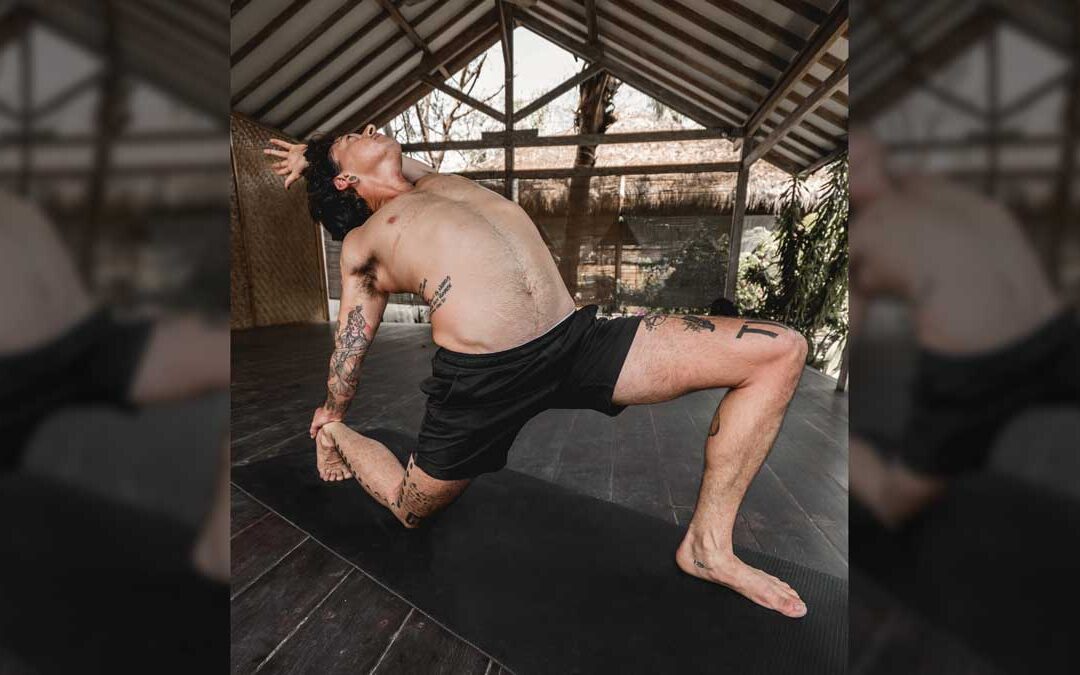
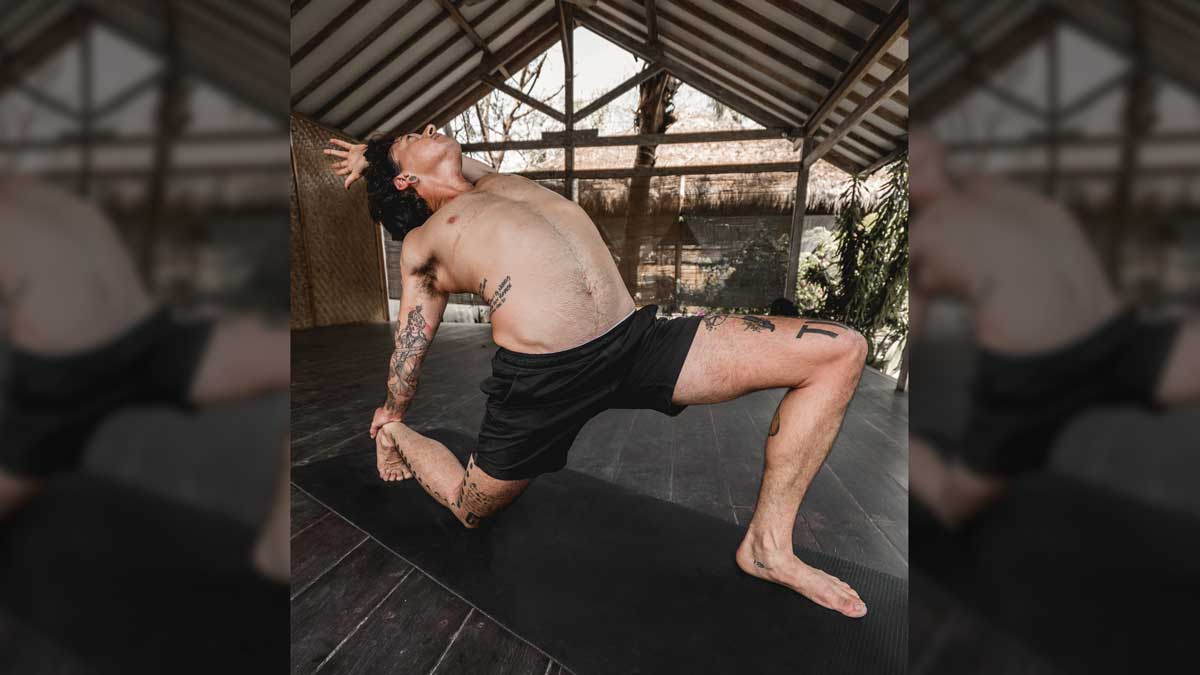
TRANS YOGA PROJECT – Daniel Sannito Interview

TRANS YOGA PROJECT – Daniel Sannito Interview

TRANS YOGA PROJECT – Daniel Sannito Interview

By iana velez

PROFILES

yoga plus magazine -TRANS - TRANS YOGA PROJECT Daniel Sannito yoga asana
What inspired you to create/be a part of the Trans Yoga Project?

During the pandemic, I was able to connect with a large network of trans, queer, nonbinary, and gender-expansive yoga teachers and educators all over the world. Through the connections we made and conversations we had, it became really clear that we were all experiencing harm in the very environments that were telling us we could find healing there. In this connection to community, a group of us came together to facilitate a workshop that would support folks learning to create affirming spaces for trans, nonbinary, gender-expansive people. We all enjoyed working together so much and shared similar visions, so we decided to continue our work together, and the Trans Yoga Project was born.

What is your hope/vision for the future of the Trans Yoga Project and community?

My hope is that we will continue to hold space for our community. Our mission has always been in alignment with serving our community first and creating the space we have all been seeking out for so long. I would love to see the Trans Yoga Project community continue to grow. Eventually, I’m hoping to host some in-person events and connect even deeper to those we have had the joy of connecting with virtually.

Who (or what) inspires your personal yoga practice?

I’m inspired deeply by nature and the world around me. I draw a lot of inspiration from traveling and spending time alone in nature. There’s something about the vastness of the world and the natural flow of life that keeps my heart full. I can’t say that one thing in particular has inspired my practice, I find that tuning in to find connection in each moment keeps me aligned and inspired.

If you could give your younger self one piece of advice, knowing everything you know now, what would it be?

I would tell my younger self to stay gentle, stay kind, stay courageous. That is your superpower. This world will tell you a lot of different things about yourself, remember that you know you better than anyone else ever can. Your existence is not wrong, and you are perfect exactly as you are. 

Can you share with us the resources you would recommend for anyone that wants to support the transgender community?

The Trans Yoga Project, of course! Each of us has individual offerings as well as the collective ones, so definitely check those out! A few other resources to check out:

Marsha P. Johnson Institute
Black Trans Advocacy 
Brave Space Alliance
TransLash

I invite you to seek out local organizations to donate to and support. Buy and read books written by BIPOC trans folks. There is a lot of information out there that is easily accessible. Your commitment to learning and independently seeking that information is the support needed.

Tao Porchon Lynch

Tao Porchon Lynch

Tao Porchon Lynch

By: Andrea Rice
Photos by: Robert Sturman

PROFILES

Yoga-Plus-Magazine - Tao Porchon Lynch bio pic
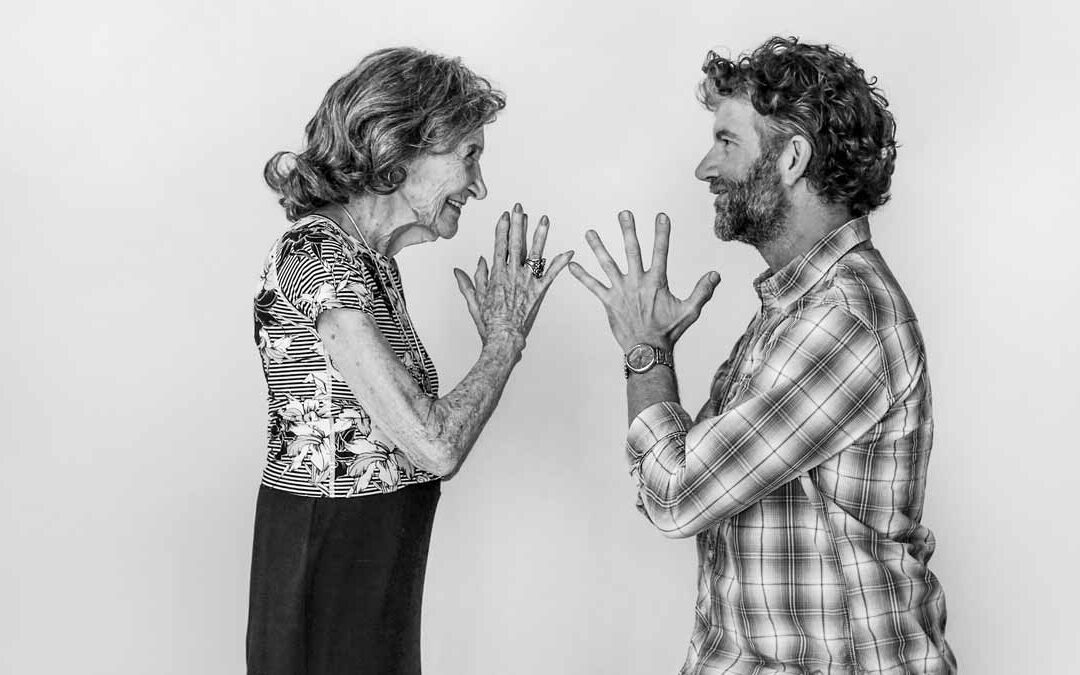
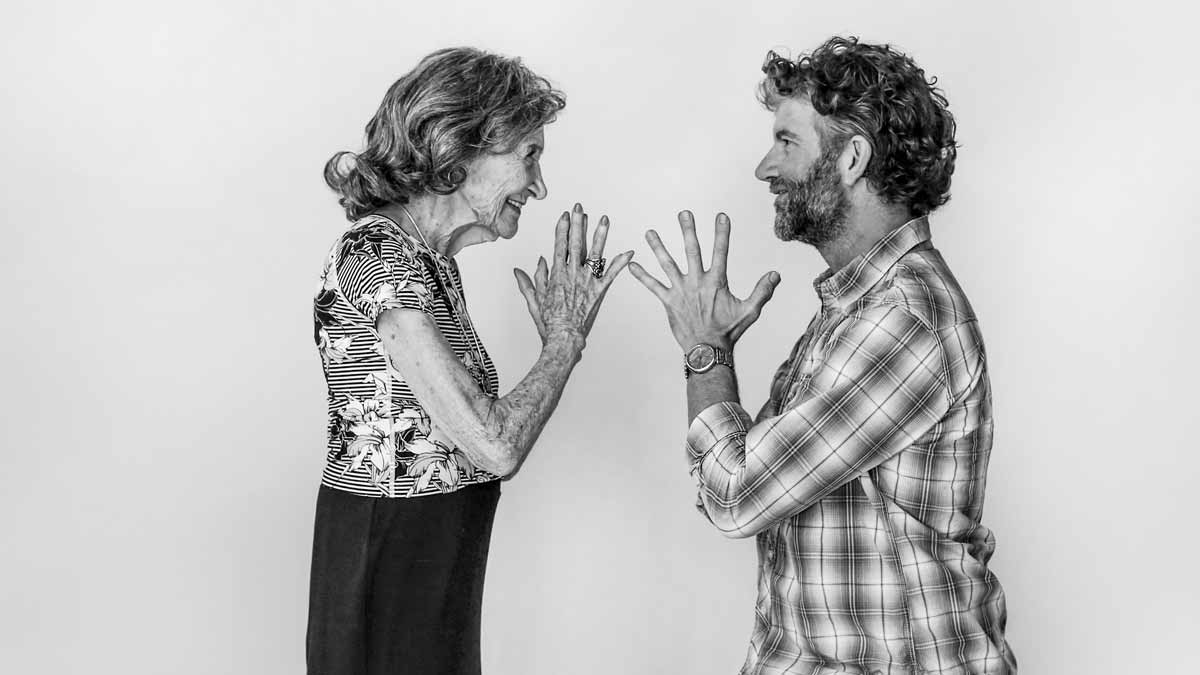
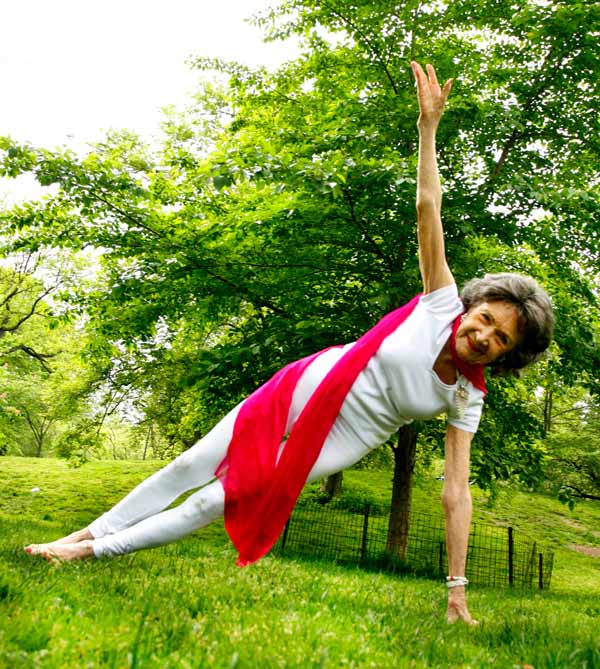
On a rainy spring afternoon in Manhattan, Täo Porchon-Lynch, the world’s oldest yoga teacher, walked into the Rubin Museum in a pair of high heels and asked for a glass of wine. She removed her black cape to reveal a Fendi scarf loosely draped around her neck, a stylistic emblem of her French heritage. A well-tailored knee-length skirt showed off an impressive pair of trim legs that only 90 years of yoga and a lifetime of dance could help shape. Perhaps the only visible evidence that the fashionable matriarch who had arrived was a yogi was the large silver amulet depicting Ganesh that hung over her heart and travels with her everywhere. She took a seat in the museum’s café next to her friend, the photographer Robert Sturman. They exchanged hugs and swapped stories as Malbec flowed generously.

Täo, who turned 99 this past August, is no average yoga teacher, nor does she fit the mold of a soon-to-be centenarian. She became a competitive ballroom dancer at 87, and appeared on “America’s Got Talent” in 2015 with a partner 70 years her junior. They performed to “Fireball,” a racy number by the rapper Pitbull — a testament to her modern edge. Täo believes there is no such thing as age and that anything is possible; she also prefers wine over water. Her thirst for life might very well be her secret to the fountain of youth.

Täo has been practicing yoga since her childhood in Pondicherry, a French colonial settlement in India at the time. “When I was very young, I saw a lot of little boys playing a new game on the beach and I asked if they would let me join them,” she said in an interview. That game, according to her aunt and uncle who raised her, was yoga, and it was not normal for girls to partake. But the eight-year-old Täo was persistent, and she partook anyway. In 1930, when she was 11, she accompanied her uncle, a student of Swami Vivekananda and a friend of Mahatma Gandhi, to join Gandhi in a protest march.

Born Andrée Porchon, Täo was named by her nursemaid in India because she was always brimming with the energy of nature. During World War II, they left India together in an attempt to locate Täo’s father. They arrived at a family vineyard in the South of France, where her father’s sister, a member of the French Resistance in Marseille, lived, worked and hid expatriates. There, Täo was asked to shed her saris in exchange for Western clothes, out of fear that the Nazis were watching. When they were nearly caught they fled the vineyard; Täo and her ayah were put on a fishing boat to Paris and another boat to London, just prior to the Nazi bombing attacks there.

Täo got her first job as a dancer in a nightclub and then a cabaret, which led her to some of the top clubs in the city. Eventually she went back to France, becoming a model for brands like Chanel and Lanvin, which led her to New York City. Determined to break into show business, she took a bus to Hollywood with a list of contacts she’d met in the London nightclubs — one of which was the founder of M.G.M., where Täo came under contract and earned smaller parts in movies. With encouragement from Indra Devi, who knew Täo as a girl in India, she began teaching yoga to Golden Age actresses like Debbie Reynolds and Kathryn Grayson.

Täo’s French-Indian accent prevented her from landing bigger roles and she became frustrated with acting, shifting her focus to screenplays and documentaries. For years, she continued writing, producing and modeling, but was also committed to her yogic studies, traveling to India to study with B.K.S. Iyengar and Pattabhi Jois. In Hollywood, Täo was under the tutelage of her guru, Swami Prabhavananda, with whom she studied meditation until his death in 1976.

Meanwhile, she met and divorced the self-described love of her life, Yvan Moynet, a French fighter pilot who relocated to Uruguay. It was heartbreak that steered Täo away from the glamour of Hollywood to focus on yoga and meditation. A journey that returned her to New York where she married her second husband, the late Bill Lynch, and settled in Westchester County where she teaches yoga to this day.

Täo’s work has put her in front of some of the biggest spiritual thought leaders of her time. In 2011, Täo earned the respect of His Holiness the Dalai Lama, when she sat on the Panel for Peace. A year later, she was recognized by Guinness World Records as the “Oldest Living Yoga Teacher.” In 2015, she received an award from the United Nations for her leadership as a female entrepreneur. Her autobiography “Dancing Light: The Spiritual Side of Being Through the Eyes of a Modern Yoga Master” was published that same year.

Though Täo did not bear any children of her own, Teresa Kay-Aba Kennedy, her biographer, said that Täo has hundreds of children around the world: her students. And one of those students gave her a very special gift a few years back — a photo shoot in Central Park with Robert Sturman. “I’ve learned so much from Robert, because he goes out into the world and brings that oneness together,” Täo said with an indelible twinkle in her eyes. “I am truly lucky that he entered my life.”

Since that first shoot, Täo and Robert meet in New York City once a year to make art together. This time at the Rubin Museum, it would be for the cover of a magazine, a first for Täo, despite that she is known far and wide as a Grand Dame of Yoga. Reunited, they took the stage and discussed the many ways in which the essence of yoga lights up the world.

The following is an edited excerpt from that conversation.

*************

RS: I’m always looking for good stories. I knew in the moment that we met that yours was a story worth telling; one that gives us hope and makes us want to be here and live life to the fullest. In a time where there is so much darkness and trouble in the world, people are hungry for great stories like yours.

TPL: I agree with you that there is so much anger around us for no reason. The mind always brings out the problems! Don’t spend your time thinking what you cannot do. Don’t let your mind take over — let your heart take over. It’s something that everyone should learn: never procrastinate. One minute after midnight it’s already today, so don’t spend your time wasting it! This is a precious gift we’ve been given. Vivekananda said, ‘don’t say I’ll do it tomorrow. Never say that there’s only one religion. Know that within us is the open door to attaining oneness with the whole world.’ This was something I always believed in. People do a lot of talking, but it’s action that matters. Robert, you not only take action, but your photos represent what I believe in. You open up that door with photography, and it doesn’t matter where you’ve been in the world — it comes to life.

RS: When I forget about everything and I’m just in the moment creating, that’s when that oneness just happens. It speaks through me, and there’s no thought about it — it just is. I think there’s a way to experience life so deeply and so presently that when you photograph it, you just press the button once and walk away — and you don’t have to question whether you missed it or not. It’s effortless — and that’s how it is whenever I’m working with you; it’s never a struggle to create something. When art is created, it’s just the natural expression of a life that’s being lived.

TPL: Well you certainly help bring it to life! You inspire me all the time. Whenever we come together, we experience that oneness. It’s easy to look and see a beautiful scene of trees, but it helps when someone can point out the very essence behind it. The American-Indians used to put their arms around the trunk of a tree and feel the energy of the sap moving up in there. We have that same thing within us — if we are in tune and just listen to our hearts, it opens the door to our whole being; it makes everything come alive. I know that nothing’s impossible — that there’s nothing we can’t do in life. If in this world I can make a little bit of difference, that’s what’s important. Every morning I say, ‘this is going to be the best day of my life.’ That’s when everything opens up to you. Other people are looking for that, but they don’t always know how to find it. This is the jewel of life: to awaken and know that nothing is impossible.

RS: To me, being awake is knowing that we’re only going to be here for a brief moment, and being present to every person I work with because it could be the last moment that we have. Sometimes I’ll work with somebody and it will be their last picture — they’ll die the next week, making me realize that it is all just going to expire. Being awake is just being so grateful for what we have now, and knowing that working through your heart and being in touch with your heart is the most sophisticated tool we have.

TPL: I don’t spend my time thinking of how I’m going to do something, because if I just sit around thinking then nothing is ever going to come. When I tune in and listen, I can feel that connection, that oneness — particularly with children. Children open up that the door to people — they don’t spend their time getting angry that they can’t do something. If I can’t do something, I’ll just decide that there is another way to do it. My uncle taught me to never look down on anybody — that there is always something good inside of them and you should try to draw it out. Don’t waste your time on things that are negative — open your heart to positive things and the whole world will come together.

RS: Whenever I think of you I just know that things are going to be okay. There’s something about you that makes life worth living, and that’s the story that I want to tell in all the work that we do together. We are so blessed to share our story with NY YOGA + LifeTM, and celebrate you on the cover of the magazine.

TPL: Thank you, that’s very special. I just hope I can live up to what you believe in.

RS: And how long are you going to live?

TPL: Oh at least 100… I have to live to 100! I have a lot of things I still want to accomplish, and so I better start working at it now — no words, just action. Every morning when I get up, I look outside and I witness the beauty of the birds flying around. Everything has energy within it, and all we have to do is bring that into play. I’m just spending my time making sure I’m doing everything that I believe in. Anyone can be filled with beautiful ideas, but we must put them into practice. That’s what you’ve materialized with your photographs: you bring in the beauty of the world everywhere.

RS: As Rumi said, ‘I can’t stop pointing to the beauty.’
Yoga-Plus-Magazine - Tao Porchon Lynch bio pic
Holdin’ Down the Hive: 10 Things to Know about urban beekeeping

Holdin’ Down the Hive: 10 Things to Know about urban beekeeping

Holdin’ Down the Hive:
10 Things to Know about urban beekeeping

by: JUSTINE MA
Photos: Diana Bezanski

PROFILES

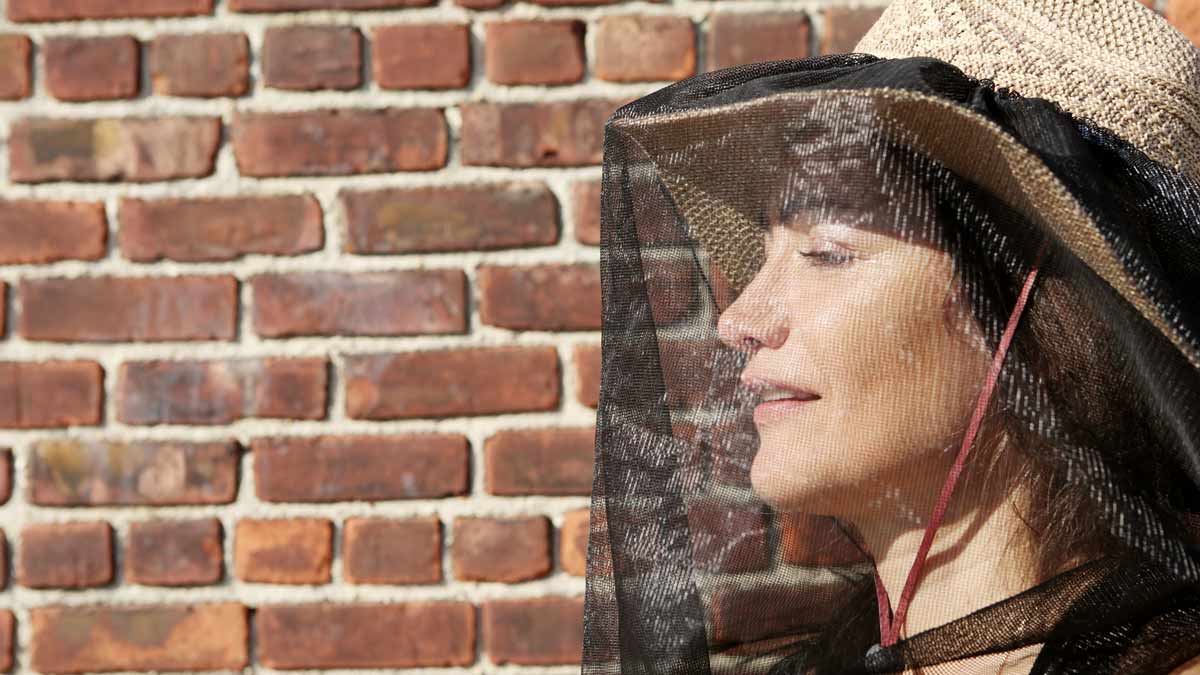
Yoga Plus Magazine - PROFILES - urban beekeeping
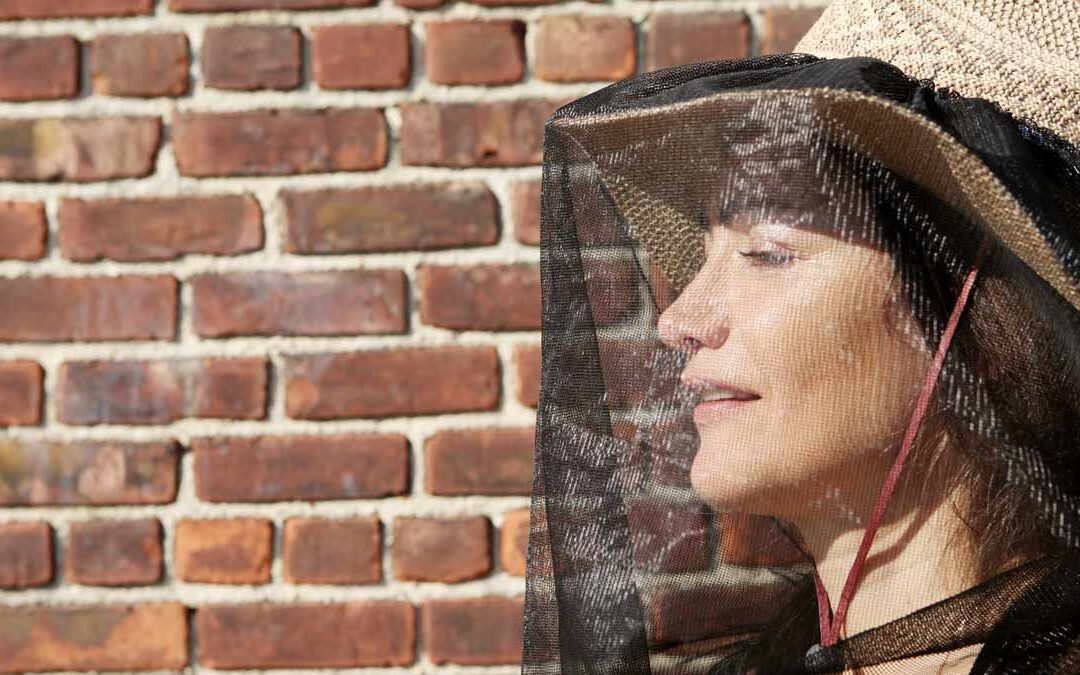
Angie Bilotti is a local chef and urban beekeeper based in Williamsburg, Brooklyn. Trained by the Natural Gourmet Institute, Angie is passionate about educating others about food as medicine for the body. She reconnects to ancestral food principles that honor Mother Earth as she takes care of rooftop gardens and creates recipes from nature’s bounty.

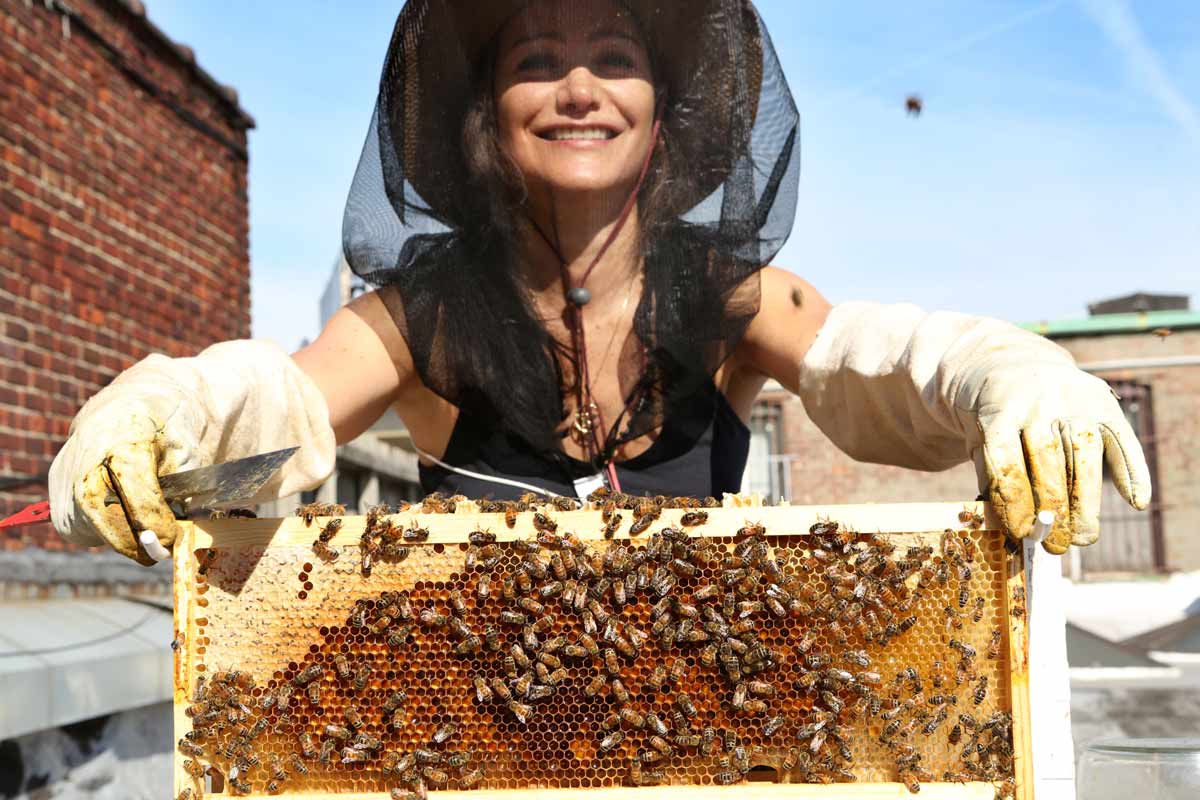
When she’s not in her Brooklyn kitchen, she climbs rooftops and takes care of 20,000-60,000 bees! NY Yoga + Life got up close and personal as Angie guided us around the hive and shared her knowledge about Brooklyn Beekeeping.

  • Location, location, location! Urban beekeepers need to be strategic about their hive placements. When choosing a home for her bees, she has to consider the entire environment is there enough food for the bees to forage? Should I plant a garden? Is it too noisy? Will I be able to reach them? Do I need to climb a fire escape? No, this is not a drill.


  • Shout it from the rooftops! Once beekeepers find a home for their bees, they register their hives to the U.S. Department of Health. Angie is part of the NYC Beekeeping Organization and was trained to inspect hives all over New York. She participates in forums to update her beekeeping practices and checks on her bees every week. Make sure to read up before you start a hive!
  • Oh, honeyyy. Did you know that honey is the only food we eat that’s produced by insects? And it never spoils.
  • No two honeys are alike. The flavor of honey depends on the food the bees are able to forage. The flowers and trees nearby affect the color and flavor of the honeycomb. No two honeys taste the same and beekeepers prefer to eat it straight from the comb…because they can.
  • You’re sweet. Honeybees aren’t aggressive, and they aren’t looking to sting you. However, if you’re wearing perfume or any scent, you will attract bees.
  • Who runs the world? GIRLS. All worker bees are female. These ladies provide food for the hive, they clean the hive, they do it all. As for the males? Their only role is to mate, and then they are kicked out in the fall before hibernation. Sorry, not sorry boys.
  • Queen Bee. The Queen has the ability to choose whether the bee will be male or female based on the need of the hive. Talk about gender selection!
  • Air Mail. In NYC, most beekeepers order their bees online and have them delivered to the post office. If you see someone casually walking down the street with a package that’s buzzing, you just met a beekeeper.
  • Clear skies. It’s best to avoid visiting a hive on a rainy or cloudy day. The bees are sensitive to nature and can get moody just let we do.
  • Reduce, reuse, recycle. After extracting the honey from the comb, beekeepers like Angie enjoy melting and straining the wax cappings into lip balms and medicinal salves. Just remember, taking honey out of its comb is incredibly messy, so leave it to the pros. Look for local raw honey at a farmers market near you!

Infused Honey Recipe

Infused honey is easy to put together and makes the perfect addition to yogurt, cheese, oatmeal, salad dressings, or marinades. It can also be used as a sweetener in lemonade, tea, or cocktails! Some people use herbal honey for medicinal purposes. For example, sage honey can soothe a sore throat.

Below you’ll find a basic formula to create your very own honey infusion!

Ingredients:

  • 1 cup local raw honey
  • 1/2 cup lightly packed fresh herbs or flowers

(Sage, Basil, Rosemary, Thyme, Lemon Balm, Lavender, Chamomile, or Rose Petals)

  • 1T spices

(Cardamom, Star Anise, Peppercorns, Ginger, Lemon Peel, Orange Peel, or Vanilla Bean)

Equipment:

  • Double Boiler
  • Baking Thermometer
  • Bowl of Ice
  • Cheesecloth
  • Strainer
  • Mason Jar or Honey Jar

Procedure:

  • Pour honey, herbs and spices into a double boiler; or a glass bowl that fits over a pot of low simmering water.
  • Occasionally stir honey for 30-40 minutes; be sure to check on it often so it doesn’t overheat and destroy the beneficial enzymes/antibacterial properties. The temperature of the honey shouldn’t exceed 115º F.
    • If the bowl gets too warm, keep an ice bath nearby and rest the below on ice. When the temperature goes back down to 115º F or below, return to the double boiler until 30-40 minutes is up.
  • Strain honey through cheesecloth and into a mason jar. Let it cool down completely, then cover.

Bonus Tip:

After you’re finished with your cheesecloth, tie it up and make a delicious tea by letting it sit in a cup of hot water.

Connect With Angie:

Angie Bilotti is available for private tours of her hives and hosts a variety of classes and workshops. For more information, visit AlchemyQueen.com for more Brooklyn Beekeeping tips and recipes!

DISCLAIMER:


NY Yoga + Life Magazine, assumes no responsibility for any inaccuracies encountered in this article and will in no way be held liable for damages or losses incurred due to any misinformation associated with this article.  Using the information provided on this site is considered voluntary and the user assumes all responsibilities and or possible consequences arising from such use.

Yoga Plus Magazine - PROFILES - urban beekeeping
Lara Parker Interview

Lara Parker Interview

Lara Parker Interview

Author of book Vagina Problems

by: JL Stermer

PROFILES

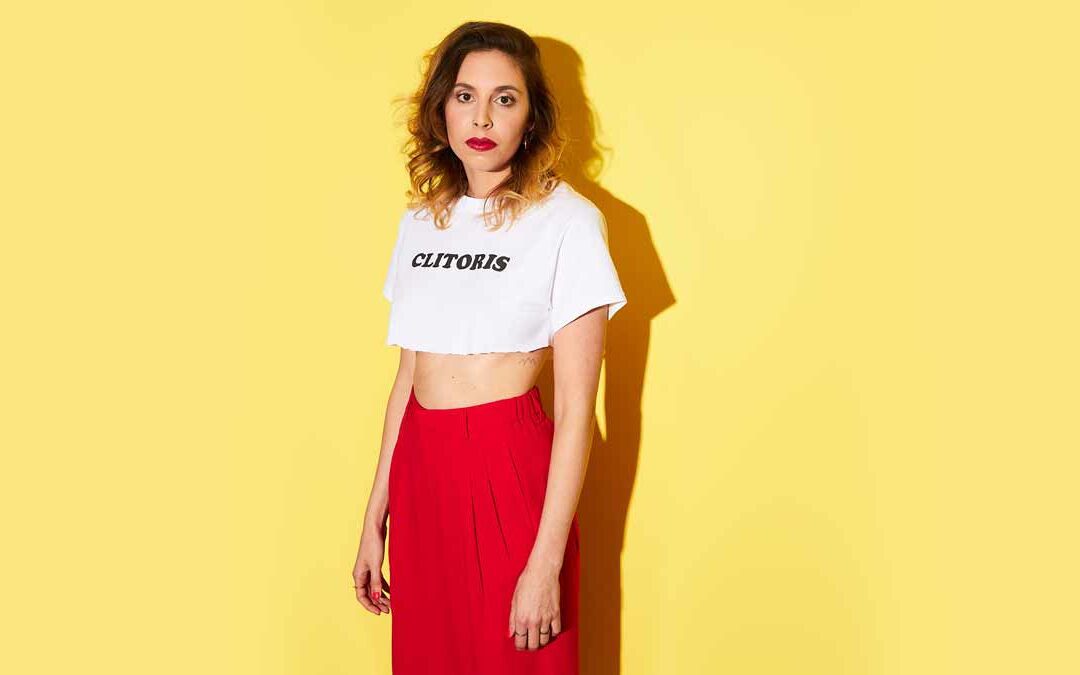
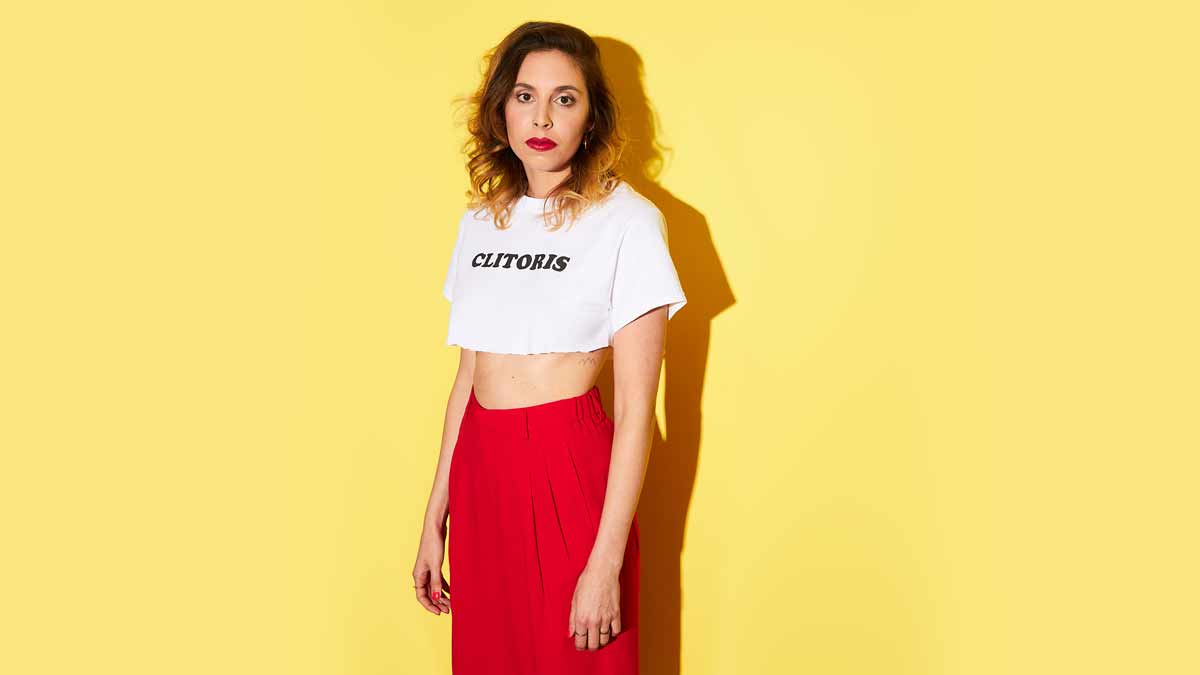
Yoga Plus Magazine - VAGINA Photo Jon-Premosch wearing clitoris t-shirt
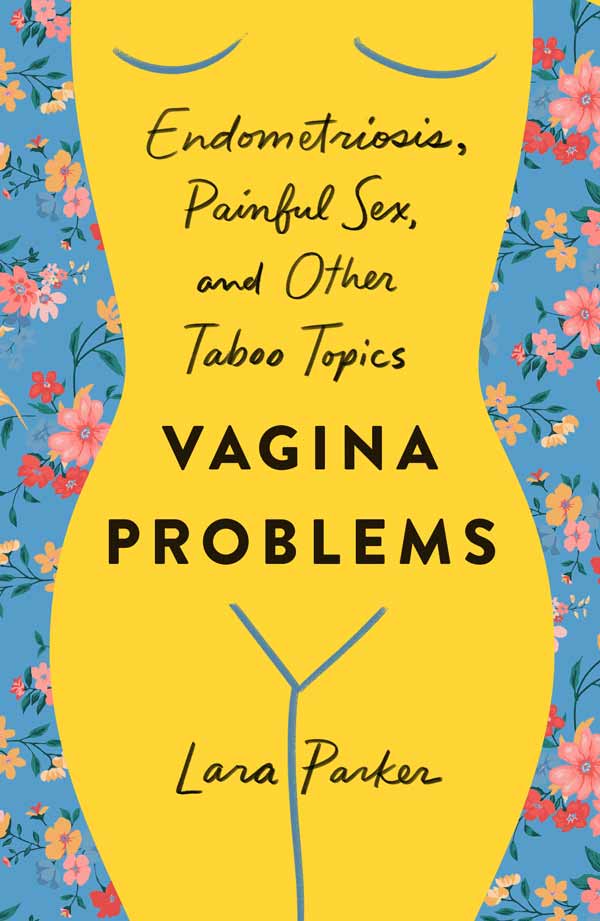
Lara Parker has had vagina problems since she was 14 years old, suffering from constant pain in her abdomen and vagina that got much worse during her period. Figuring everyone was having the same experience and just not complaining about it, Lara kept her extreme discomfort to herself. Each month would get worse as she would throw up, pass out, and miss days of school because of the pain. When she eventually spoke to her doctor, she got the brush off: “Periods are supposed to hurt,” she was told. Lara has spent many years working with multiple doctors and has spent tens of thousands of dollars to get a handle on what’s going on with her body. As a deputy editor at BuzzFeed, Lara shared her experiences online. This fall, her debut book Vagina Problems will give readers a candid look at how she navigates life, sex, work, dating and the pain of putting on jeans when your vagina just hurts.

I’m a huge fan of Lara (and also her literary agent). On the team at New Leaf Literary & Media, I was thrilled to have the opportunity to interview Lara for this issue, especially after working with her to develop and sell this timely and much-needed book.

JL: How would you describe your relationship with your body? How has it evolved over the years?

LP: My relationship with my body now is the best it has ever been. Anyone with a chronic illness can likely understand the feeling of being at war with your own body. I’ve felt like I’ve been at war with mine since I was a teenager. I started experiencing debilitating symptoms when I was around 15. At 28 now, I never thought I would get to the place where I felt that I could put down my armor and sort of be at peace with my own body. But now, most days, I feel that peace. It took a lot of work — years in therapy, meditation, journaling, and just letting myself fucking feel it. But I finally got here. I think the turning point for me was redefining what it meant to be a person with a chronic illness. I had this idea in my head of what life should look like (especially in your twenties) and I had to sort of throw that out the window. I did the same thing with the idea I had in my head about what sex should be. Life for me didn’t have to be climbing mountains or going on amazing vacations to Thailand. Life could also look like me sitting on my couch surrounded by friends as we watch the latest episode of 90 Day Fiance. Sex didn’t have to mean penetration. Sex could mean sitting naked in a bathtub with someone I deeply care about. And once I was able to give myself permission to redefine these things, it was easier for me to stop hating my body so much for what I felt like I was forced to miss out on. Of course I still have bad days. I still have days where I pick that armor back up again and go back to war. But I suppose these days it’s more like small battles and less like a seven year, never-ending war.

JL: You are super candid about the daily physical pain you endure from endometriosis and it seems unbearable at times, but you inspire so many people by being open — were you always this truthful with your partners, friends and family, or was this level of honesty something that grew out of experience?

LP: Absolutely not. It took me a very long time to find the courage to open up about the pain that I felt was eating me alive from the inside out. When I was first diagnosed with endometriosis and then subsequently diagnosed with vaginismus and vulvodynia, I honestly felt like my life was over. I felt so alone, every single day. It was the darkest and deepest depression that I have experienced in my life thus far. And I think a large part of that was because I had no one to talk to about what I was feeling and what was happening to my body every single day. Part of the reason it was so difficult to speak up was because a lot of my issues and pain were centered around my vagina! And that’s not necessarily something you can easily discuss at any given moment. I certainly wasn’t going up to my friends in college and asking them if they had ever cried putting a tampon in. But the more I kept it inside and didn’t talk about it, the more I felt it eating away at me. So one day, I just opened up. And I felt such a sense of relief afterwards. I didn’t even stop to think about the fact that my seventh grade english teacher now knew I wasn’t able to have sex without crying out in pain. I was just so relieved to fucking talk about it. And slowly but surely other people who were suffering with similar issues came out of the woodwork. And suddenly it dawned on me how not alone I actually was in this. I just never stopped talking about it after that. In part because it was such a relief, but also because I wanted it to be less stigmatized so that the next young girl who was going through this didn’t have to feel that hopelessness. So that she could know she wasn’t alone.

JL: Do you have a spiritual practice? Physical or otherwise?

LP: I believe 100% in self-care. So much of the discourse around self-care has sort of been…transformed into this idea of getting a pedicure or whatever. And honestly? I think that’s fine. To me, it’s all about being kind to yourself. If your body is hurting really fucking bad and you’re feeling low and you just want to get your damn toes painted, you should do that. For me it looks different every day. It could be sitting on my couch with cannabis watching my favorite reality TV shows one day, and the next day it could be me taking my dog on a walk. I don’t necessarily consider it spiritual, but it’s been very important for me to find a way to be on my own side during this. And a lot of times that means treating myself well and not denying myself the small pleasures in life.

JL: You get more CBD and weed promo treats than anyone I know!  How has weed affected your outlook on life? Do you partake to escape your body or to have a better understanding of how to live inside of it?

LP: Cannabis has truly transformed my life. I use it for so many different things — pain relief, appetite stimulation, sleep, etc. — and it has helped my symptoms so much more than anything else I’ve ever experienced. But to be honest, a lot of times when I use cannabis it is to escape my body. When I smoke a really good joint during a pain flare, it’s almost like it allows me to float out of my painful body and watch it from above. I am still aware that the pain is there, but it’s harder to care about it when I’m high. It’s harder to focus on it. Instead, I want to focus on the TV show I’m watching or the D-list reality star that I am stalking on Instagram. It’s an escape many days, but an escape that doesn’t take me very far away and doesn’t leave me feeling worse off when I finally come back to my body.

JL: Anyone who follows you knows you are an expert shopper (I heart fitting room selfies). What role does shopping play in your life? How does clothing, lingerie or being in the buff affect how you feel about your body?

LP: Shopping and I have had a tumultuous relationship over the years. For many, many years shopping to me was like a way to pretend I wasn’t sick. I would buy jeans that I knew would murder my vagina and my stomach but I would tell myself, “One day, when you’re feeling better and you aren’t sick anymore, you’re gonna wear these.” I would take the jeans home and put them in my closet and there they would stay. Because I didn’t feel better that week. Or that month. Or that year. And every time I would open that closet door and see those jeans, I would just be reminded of the life and the body that I didn’t yet have, and maybe would never have. These days, shopping is a way to take back ownership of a body that has felt so out of my control for so long. Wearing lingerie allows me to remind myself that I am sexy and desirable and a bad fucking bitch despite the fact that my vagina hurts.

JL: Do you ever wish for a Freaky Friday scenario where you could switch bodies with another person for a day/week/month/indefinitely?

LP: I have wished for this so many times that I’ve lost count. Of course there is a part of me that wishes I could trade places with someone who is able-bodied just to see what it’s like. I want to have pain-free sex. I want to eat a piece of chocolate cake without feeling sick as hell afterwards. I want to run a fucking marathon. I want to swim with dolphins. But I find that wishing for things like this only set me up for failure. So I’ll say that for the most part, I don’t. Not anymore. I’m more focused on my own life and celebrating all the shit I can do that 19-year-old Lara never thought possible.

JL: And lastly, what do you want people who are trying to cope with a chronic illness to understand about how you navigate your journey? And for those who want to be an ally — what basic advice can you share that will help people be supportive of what they don’t truly understand?

LP: Everyone living with any sort of chronic illness has to find their own journey. These journeys are going to look similar, but they don’t always have to be the same. There is no “right” way to live with an illness. You don’t have to eat plant-based or do yoga every day. You can do whatever the hell you want to make yourself happy. I think that’s the biggest (and one of the hardest!) lessons I’ve had to learn on my own journey. And for anyone who wants to be an ally — it’s OK to just sit with us in our pain. I think oftentimes people can become frustrated with a chronic illness because they are unable to “fix” it. There is no cure. There is nothing you can do to fix the medical part of it. But you can be there! You can sit with us in our pain and say, “I am so sorry you have to live with this. But let’s get high and watch TV.”

Yoga Plus Magazine VAGINA Problems book cover